 Admin
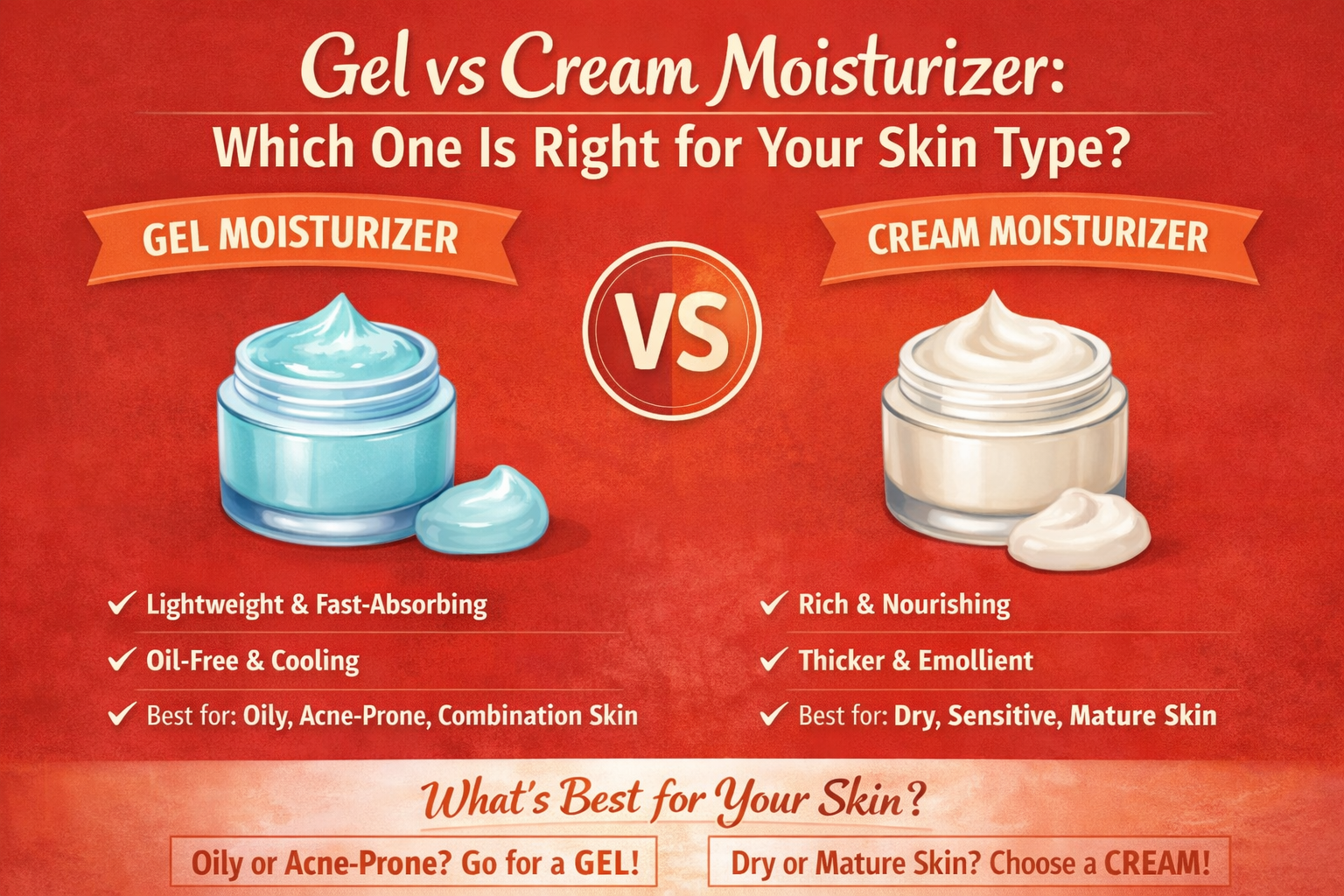
Admin Gel vs Cream Moisturizer
Choosing the right moisturizer can make a huge difference in your skincare results. Yet many people spend months using products that don’t suit their skin type simply because they don’t understand the difference between gel and cream moisturizers.
Walk into any skincare store and you’ll find hundreds of moisturizers claiming to hydrate, nourish, brighten, and repair the skin. However, one of the most important decisions isn’t the brand—it’s the texture and formulation. This is where the debate of Gel vs Cream Moisturizer becomes important.
A moisturizer that works perfectly for oily skin may feel too heavy on one person and too light on another. Some people struggle with greasy skin after moisturizing, while others feel dry just a few hours after application. In most cases, the issue isn’t the moisturizer itself but choosing the wrong type for your skin.
In this detailed guide, we’ll compare Gel vs Cream Moisturizer, explain their benefits, discuss which skin types benefit most from each, and help you make the right choice for healthy, glowing skin.
What Is a Moisturizer and Why Is It Important?
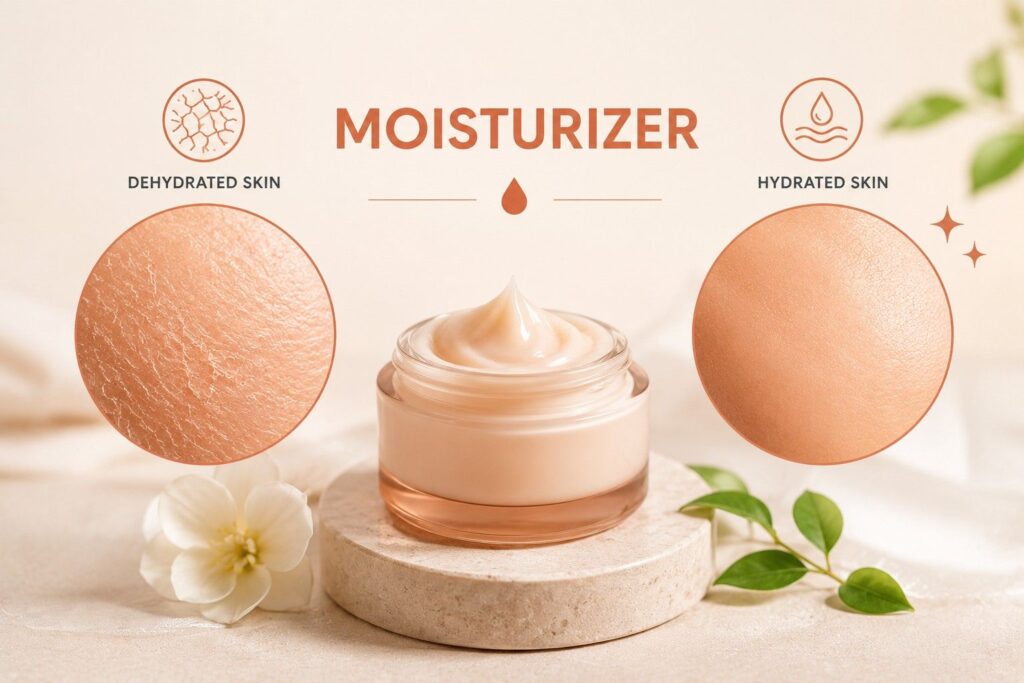
A moisturizer is a skincare product designed to help maintain the skin’s hydration levels and strengthen the skin barrier. Your skin naturally loses moisture throughout the day due to environmental factors, weather conditions, air conditioning, pollution, and cleansing.
Without proper hydration, the skin can become dry, irritated, dull, and more prone to premature aging. Moisturizers help reduce water loss, improve skin texture, and support overall skin health.
Regardless of your skin type, moisturizing is an essential step in every skincare routine.
What Is a Gel Moisturizer?
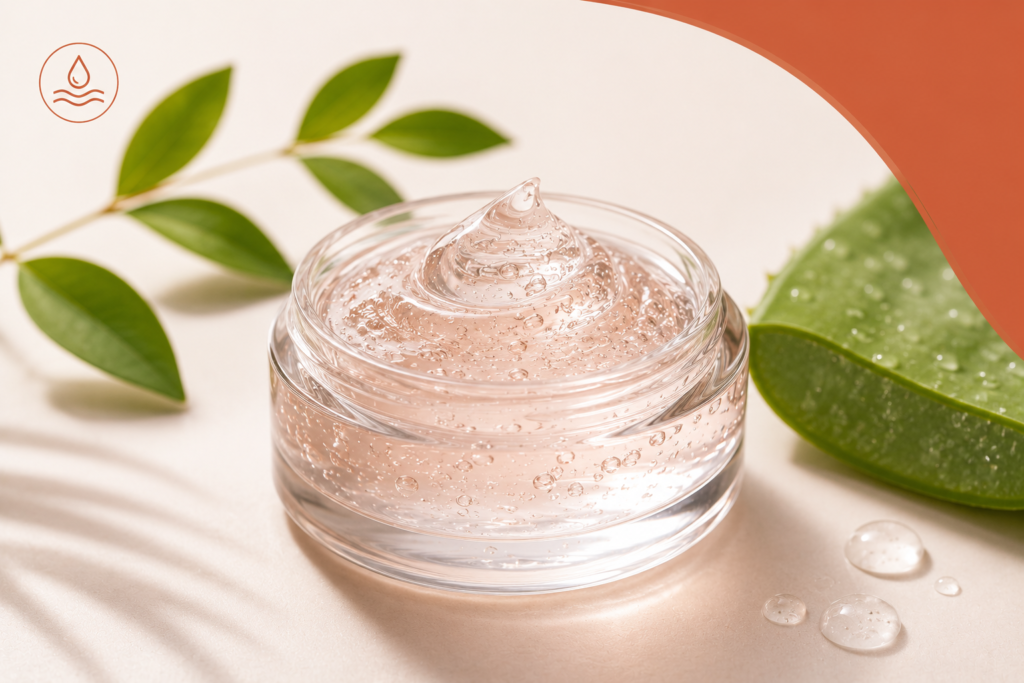
A gel moisturizer is a lightweight, water-based moisturizer designed to hydrate the skin without leaving a heavy or greasy feeling.
Gel moisturizers typically contain ingredients such as:
- Hyaluronic Acid
- Glycerin
- Aloe Vera
- Green Tea Extract
- Niacinamide
Because they contain more water and fewer oils, gel moisturizers absorb quickly into the skin and provide a refreshing feel.
Many people describe gel moisturizers as cooling and lightweight, making them especially popular in India’s hot and humid climate.
Benefits of Gel Moisturizer
1. Lightweight Hydration
One of the biggest advantages of gel moisturizers is their lightweight texture. They deliver hydration without creating a thick layer on the skin.
People with oily skin often avoid moisturizers because they fear additional greasiness. A gel moisturizer solves this problem by providing moisture without heaviness.
2. Perfect for Hot and Humid Weather
Indian weather can be extremely hot and humid for most of the year. During summer, heavy creams may feel uncomfortable and sticky.
Gel moisturizers absorb quickly and leave the skin feeling fresh, making them ideal for daily use in warm climates.
3. Suitable for Acne-Prone Skin
Most gel moisturizers are non-comedogenic, meaning they are less likely to clog pores.
This makes them a popular choice for people struggling with acne, blackheads, and oily skin.
4. Fast Absorption
Gel formulations penetrate the skin quickly and work well under sunscreen and makeup.
Many people prefer gel moisturizers in their morning skincare routine because they don’t leave a heavy residue.
5. Cooling Effect
The water-based nature of gel moisturizers provides an instant cooling sensation that can soothe irritated or overheated skin.
Read this: Your Skin not Glowing Even After Using the Right Products
What Is a Cream Moisturizer?
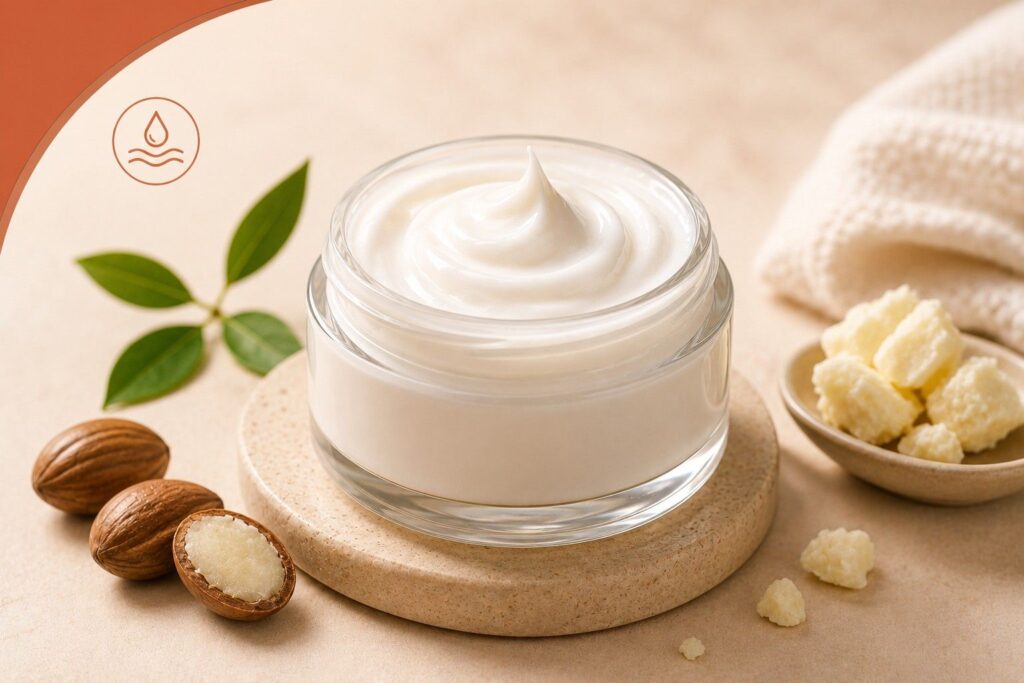
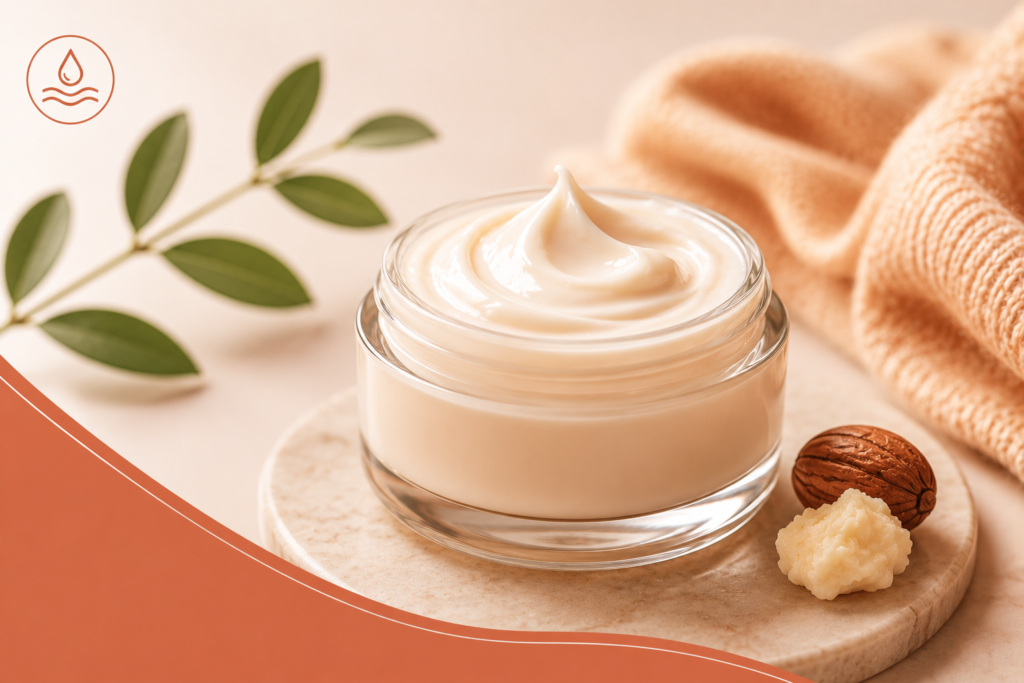
A cream moisturizer is a richer and thicker skincare product formulated with a higher concentration of oils, emollients, and occlusive ingredients.
Common ingredients found in cream moisturizers include:
- Ceramides
- Shea Butter
- Squalane
- Fatty Acids
- Cholesterol
- Petrolatum
These ingredients help create a protective barrier that locks moisture into the skin for longer periods.
Cream moisturizers are especially beneficial for dry and dehydrated skin types.
Benefits of Cream Moisturizer
1. Deep Nourishment
Cream moisturizers provide intense hydration and nourishment to the skin.
Unlike lightweight gels, creams help replenish essential lipids that support the skin barrier.
2. Prevents Moisture Loss
A strong skin barrier is essential for maintaining healthy skin.
Cream moisturizers create a protective layer that reduces transepidermal water loss and keeps skin hydrated throughout the day.
3. Ideal for Dry Skin
People with dry skin often struggle with flaking, tightness, and rough texture.
Cream moisturizers provide long-lasting hydration and comfort, helping relieve dryness effectively.
4. Supports Skin Barrier Repair
Many cream formulations contain ceramides and fatty acids that help repair a damaged skin barrier.
This is especially useful for people with sensitive skin or those experiencing irritation from active ingredients.
5. Better for Winter Weather
Cold weather and low humidity can strip moisture from the skin.
Cream moisturizers help protect against environmental dryness and keep skin soft during winter months.
Gel vs Cream Moisturizer: Key Differences
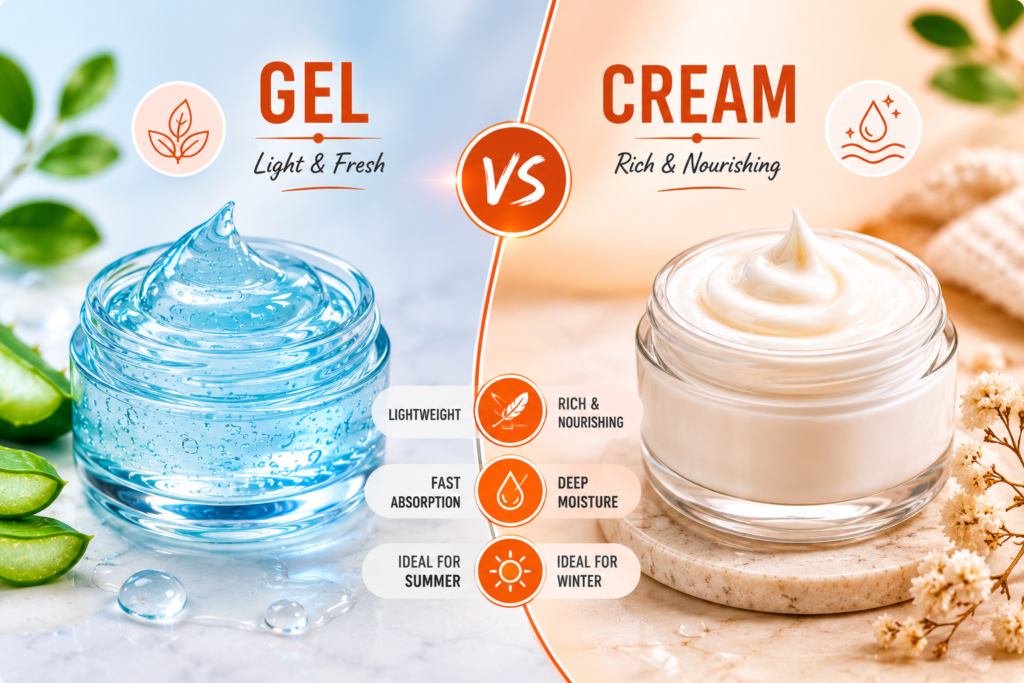
| Feature | Gel Moisturizer | Cream Moisturizer |
| Texture | Lightweight | Rich & Thick |
| Base | Water-Based | Oil-Based |
| Absorption | Fast | Slower |
| Skin Feel | Fresh & Light | Nourishing & Protective |
| Best For | Oily Skin | Dry Skin |
| Summer Use | Excellent | Moderate |
| Winter Use | Good | Excellent |
| Acne-Prone Skin | Usually Better | Depends on Formula |
The biggest difference in the Gel vs Cream Moisturizer comparison is hydration style. Gel moisturizers focus on lightweight water-based hydration, while cream moisturizers prioritize nourishment and moisture retention.
Read this: Salicylic Acid vs Glycolic Acid
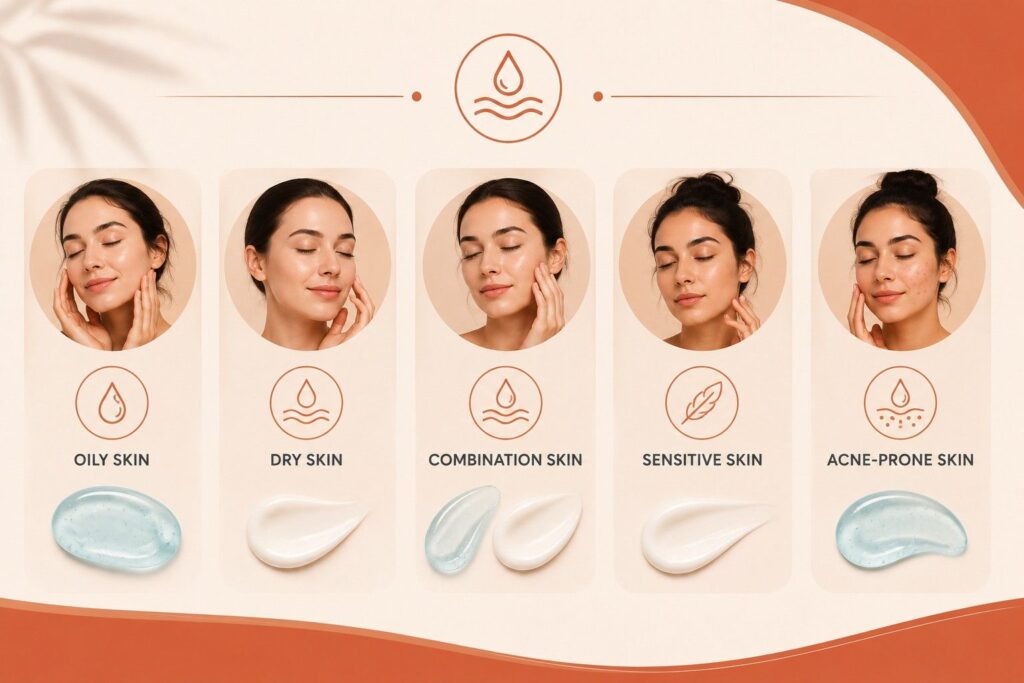
Gel vs Cream Moisturizer for Oily Skin
If you have oily skin, gel moisturizers are usually the better choice.
Oily skin already produces excess sebum. Applying a heavy cream may leave the skin feeling greasy and uncomfortable.
A gel moisturizer hydrates without adding unnecessary weight. It absorbs quickly and helps maintain hydration while keeping the skin balanced.
For most oily skin types, a gel moisturizer containing hyaluronic acid and niacinamide works exceptionally well.
Gel vs Cream Moisturizer for Dry Skin
When comparing Gel vs Cream Moisturizer for dry skin, cream moisturizers typically win.
Dry skin lacks both water and oil. While a gel moisturizer can provide hydration, it may not be enough to prevent moisture loss.
Cream moisturizers provide both hydration and protection, helping the skin stay comfortable for longer periods.
Ingredients like ceramides, shea butter, and squalane can significantly improve skin softness and reduce flaking.
Gel vs Cream Moisturizer for Combination Skin
Combination skin has both oily and dry areas.
Many people with combination skin successfully use gel moisturizers during the day and cream moisturizers at night.
Another option is seasonal skincare:
- Gel moisturizer in summer
- Cream moisturizer in winter
This flexible approach helps address changing skin needs throughout the year.
Read this: Types of Skin Complexion in India Explained
Gel vs Cream Moisturizer for Sensitive Skin
Sensitive skin benefits from ingredients more than texture alone.
If sensitivity is accompanied by dryness and barrier damage, cream moisturizers containing ceramides can be extremely beneficial.
If the skin is oily and sensitive, a fragrance-free gel moisturizer may be more comfortable.
Always choose products free from excessive fragrance and alcohol.
Gel vs Cream Moisturizer for Acne-Prone Skin
Acne-prone skin often performs better with gel moisturizers.
Many acne treatments can dry out the skin, creating the misconception that moisturizers should be avoided.
In reality, proper hydration supports healing and barrier function.
A lightweight gel moisturizer helps maintain hydration without increasing pore congestion.
Can You Use Both Gel and Cream Moisturizer?
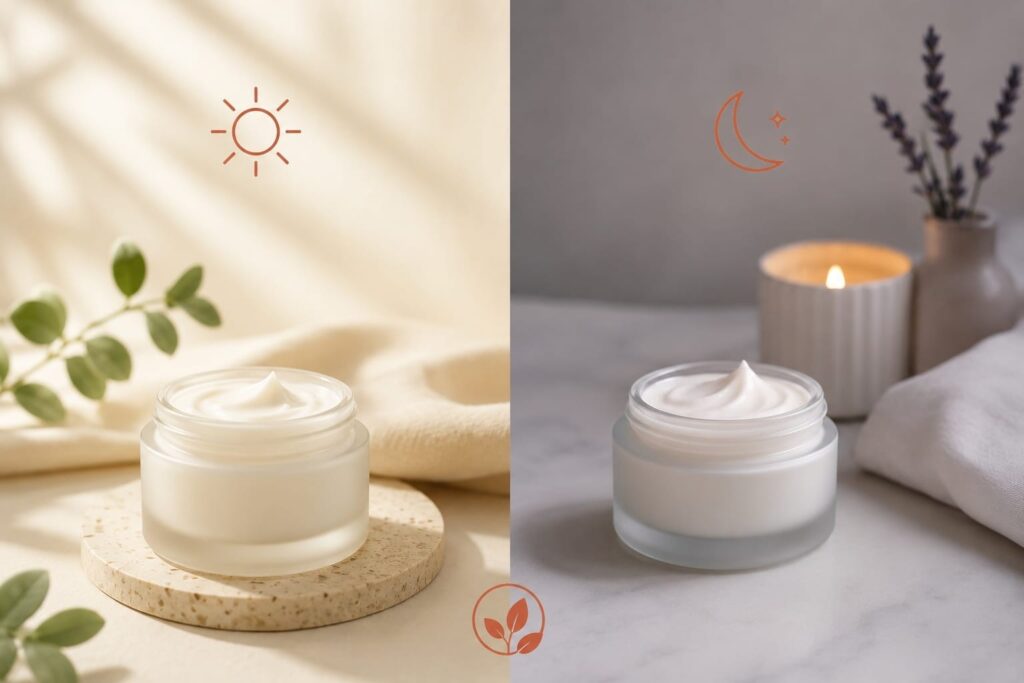
Absolutely.
Many skincare experts recommend using both depending on your needs.
Morning Routine
Use a gel moisturizer for lightweight hydration under sunscreen.
Night Routine
Use a cream moisturizer for deeper overnight repair and nourishment.
This combination allows you to enjoy the benefits of both formulations.
Read this: Skin Type Test at Home
Common Moisturizer Mistakes to Avoid
Choosing Based on Trends
A product that works for influencers may not suit your skin type.
Skipping Moisturizer Because of Oily Skin
Oily skin still needs hydration.
Applying Too Much Product
More moisturizer does not always mean better hydration.
Ignoring Seasonal Changes
Your skin’s needs can change throughout the year.
Not Checking Ingredients
Always evaluate ingredients instead of relying solely on marketing claims.
How to Choose the Right Moisturizer
Ask yourself these questions:
- Is my skin oily or dry?
- Do I live in a hot or cold climate?
- Am I acne-prone?
- Is my skin sensitive?
- Do I experience dehydration?
Your answers will help determine whether a gel moisturizer or cream moisturizer is the better fit.
Frequently Asked Questions
Is gel moisturizer better than cream moisturizer?
Neither is universally better. The best option depends on your skin type and hydration needs.
Can oily skin use cream moisturizer?
Yes, but lightweight, non-comedogenic cream formulas are usually recommended.
Is gel moisturizer enough for dry skin?
For very dry skin, a gel moisturizer may not provide enough moisture retention on its own.
Which moisturizer is best for Indian weather?
For most Indian climates, gel moisturizers work well during summer, while cream moisturizers become more useful during winter.
Can I use gel moisturizer in the morning and cream moisturizer at night?
Yes. This is one of the most effective ways to balance hydration and nourishment.
Final Thoughts
The debate around Gel vs Cream Moisturizer isn’t about which product is better—it’s about which product is better for your specific skin type.
If you have oily, acne-prone, or combination skin, a gel moisturizer will likely provide the lightweight hydration your skin needs without feeling greasy. If you have dry, mature, or compromised skin, a cream moisturizer can deliver deeper nourishment and longer-lasting moisture.
The key to healthy, glowing skin is understanding your skin’s needs rather than following trends. Once you choose the right moisturizer and use it consistently, you’ll notice improvements in hydration, texture, comfort, and overall skin health.
Remember, glowing skin starts with proper hydration—and the right moisturizer can make all the difference.

 Admin
Admin
[…] Read this: Gel vs Cream Moisturizer […]