 Admin
Admin Brown Spots on Face
Have you ever looked in the mirror and noticed small, flat, brownish patches on your face that weren’t there a few years ago? You’re definitely not alone. Brown spots on face — sometimes called age spots, sun spots, liver spots, or hyperpigmentation — are one of the most common skin concerns affecting people of all ages, genders, and skin tones.
While these spots are usually harmless, they can affect your confidence and sometimes signal something deeper going on with your skin health. The good news? Understanding what causes brown spots on face is the first step to addressing them effectively.
In this in-depth guide from Daily Skin Glow, we cover everything you need to know about brown spots on face — from the root causes and symptoms to the best treatments and everyday prevention habits. Let’s dive in.
What Are Brown Spots on the Face?
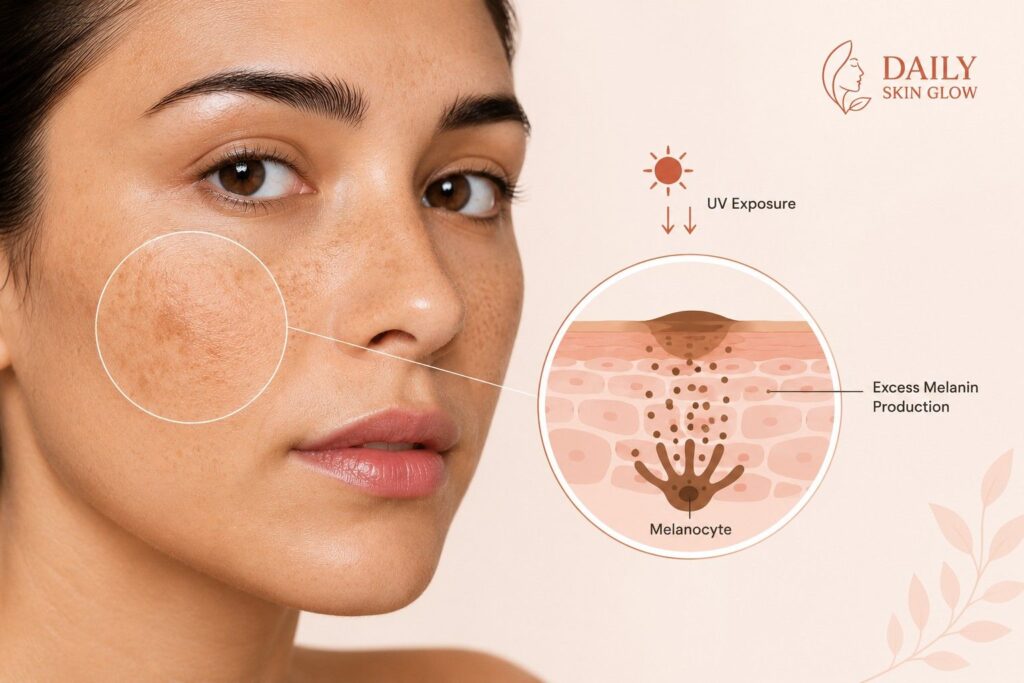
Brown spots on the face are areas of the skin that have become darker than the surrounding skin. They occur when melanin — the natural pigment that gives skin its color — is produced in excess or becomes unevenly distributed.
These spots can appear in many forms:
- Flat and smooth patches on the skin surface
- Tan, light brown, dark brown, or even grayish in color
- Varying in size from a few millimeters to over a centimeter
- Appearing on the cheeks, forehead, nose, chin, or around the mouth
They are generally painless and non-contagious, but changes in their size, shape, or color should always be evaluated by a dermatologist.
Common Types of Brown Spots
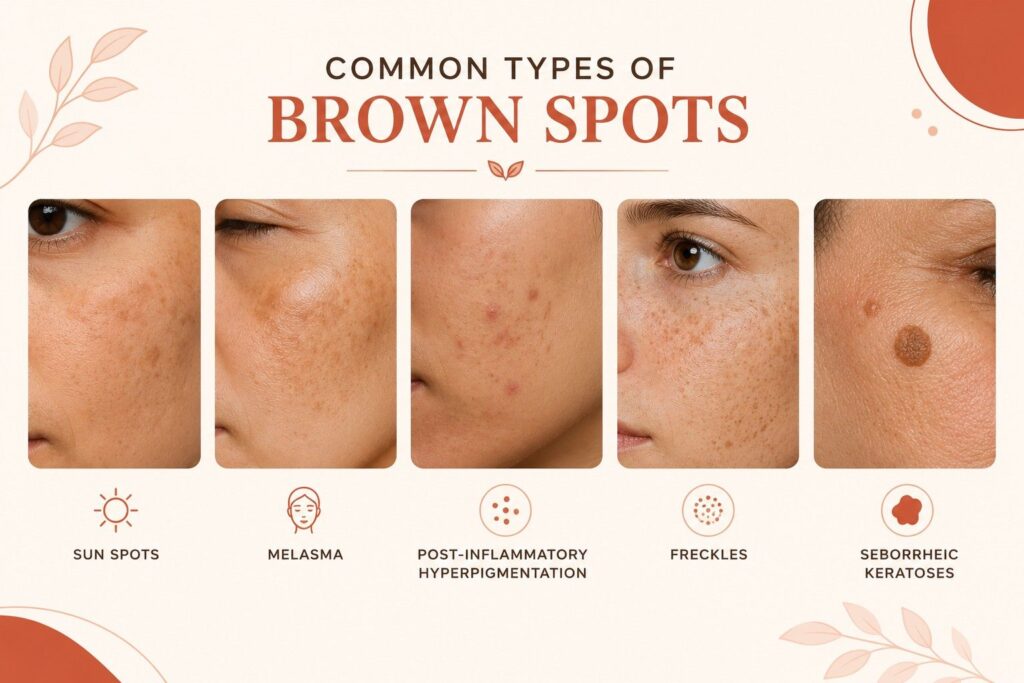
Not all brown spots are the same. Here are the most common types:
1. Solar Lentigines (Sun Spots / Age Spots)
These are the most frequently seen brown spots and are directly linked to sun exposure. They often appear on areas most exposed to UV rays — the face, hands, shoulders, and arms. They are flat, oval-shaped, and range from light tan to dark brown.
2. Melasma
Melasma presents as larger, irregular patches of brown or gray-brown skin, most commonly on the forehead, cheeks, nose bridge, and upper lip. It is strongly linked to hormonal changes and is more common in women, particularly during pregnancy (earning it the nickname ‘mask of pregnancy’) or while using hormonal contraceptives.
3. Post-Inflammatory Hyperpigmentation (PIH)
PIH occurs after skin injury or inflammation — such as acne, eczema, a cut, or even an allergic reaction. As the skin heals, it sometimes produces excess melanin, leaving behind a dark spot where the blemish once was. PIH is especially common in medium to dark skin tones.
4. Freckles (Ephelides)
Small, round, light brown spots that often appear in childhood, especially in fair-skinned individuals. Unlike sun spots, freckles tend to fade in winter and darken in summer. They are genetically influenced and harmless.
5. Seborrheic Keratoses
These are waxy, slightly raised brown growths that often appear with age. They can look alarming but are non-cancerous. They have a distinctive ‘stuck-on’ appearance and can range from light tan to very dark brown or even black.
What Causes Brown Spots on the Face?
Understanding the cause is key to choosing the right treatment. Here are the most researched and well-documented causes:
Sun Exposure (UV Radiation)
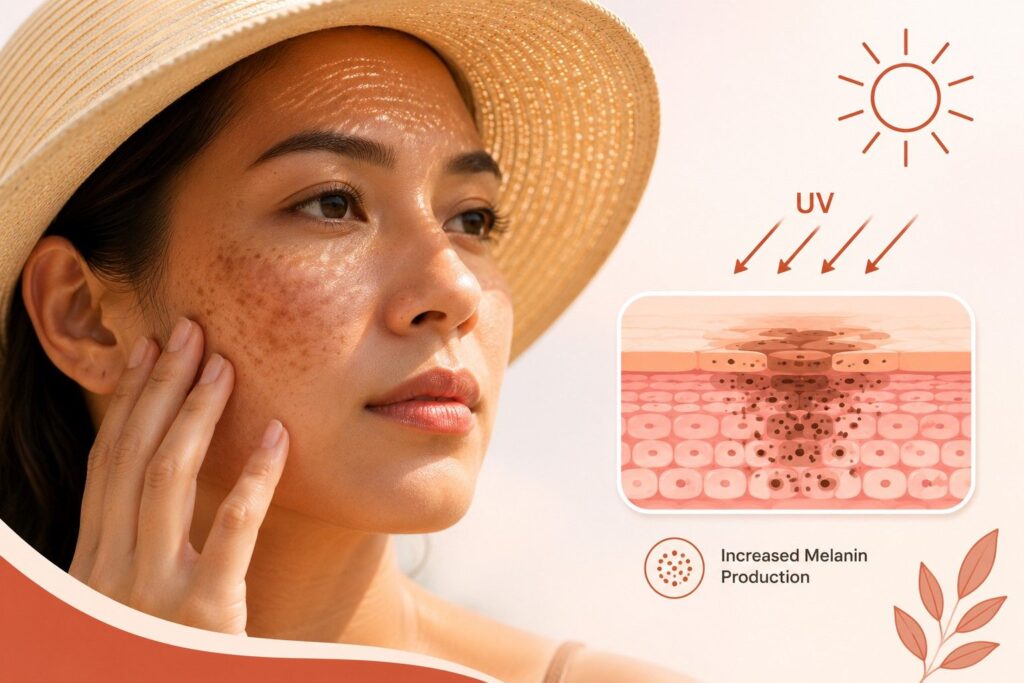
This is the number one cause of brown spots. Ultraviolet (UV) rays from the sun stimulate melanocytes (the cells that produce melanin) to go into overdrive. Over time, repeated sun exposure leads to uneven pigment distribution — resulting in visible dark patches. The damage is cumulative, meaning years of sun exposure without protection can show up on your face decades later.
Hormonal Changes
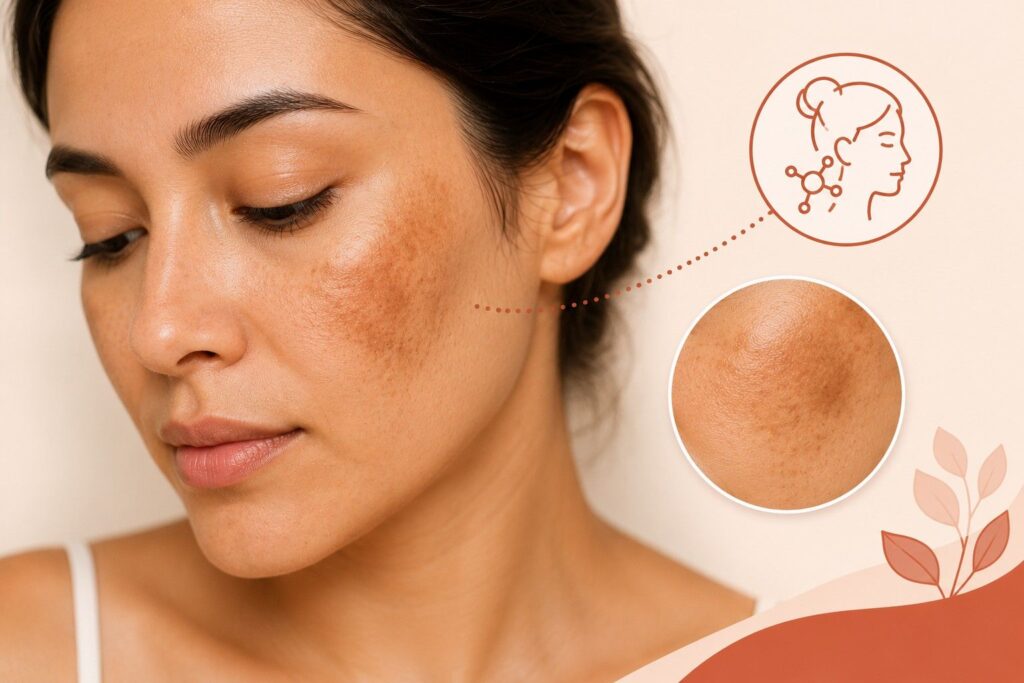
Estrogen and progesterone can stimulate melanin production. This is why melasma is so common during pregnancy, perimenopause, or when taking birth control pills. Even thyroid disorders can disrupt hormonal balance and contribute to pigmentation issues.
Aging
As we age, skin cell turnover slows down. Melanocytes become less evenly distributed, and areas of excess pigment accumulate over time. This is why age spots are especially common in people over 40, though they can begin appearing earlier with chronic sun exposure.
Skin Inflammation and Injury
Acne breakouts, eczema flare-ups, allergic reactions, bug bites, burns, or any trauma to the skin can trigger post-inflammatory hyperpigmentation. This type of brown spot is a direct response from the skin’s immune and repair systems.
Genetics
Your DNA plays a significant role in how much melanin your skin produces and how it responds to sun exposure. If your parents tend to develop dark spots easily, you may be more susceptible as well.
Medications and Chemicals
Some medications — including certain antibiotics (like tetracyclines), antimalarial drugs, chemotherapy agents, and even some topical products with harsh chemicals — can cause photosensitivity and lead to hyperpigmentation. Always check if your medication increases sun sensitivity.
Read this: Blackheads vs Whiteheads: Key Differences and the Right Way to Treat Both
Symptoms and Signs to Watch For
Most brown spots are benign and display the following characteristics:
- Flat, smooth areas darker than surrounding skin
- Defined or irregular borders
- Appearing on sun-exposed areas like cheeks, nose, and forehead
- No pain, itching, or bleeding
- Gradual appearance over months or years
When to See a Doctor
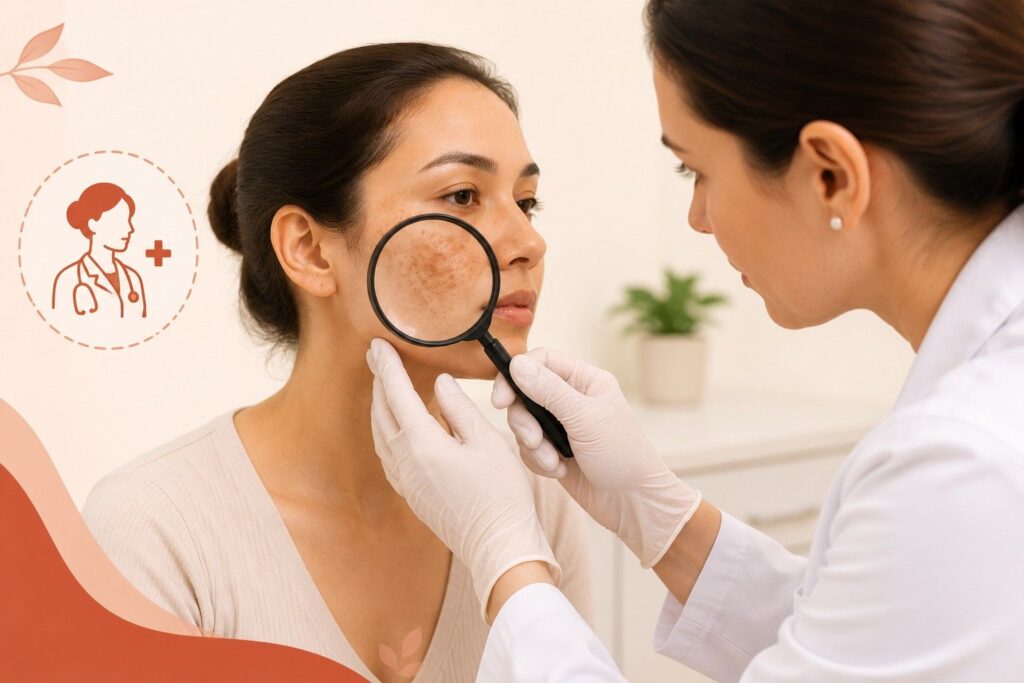
While most brown spots are harmless, see a dermatologist promptly if you notice:
- A spot that rapidly changes in size, color, or shape
- Borders that become irregular or blurred
- A spot that bleeds, itches, or crusts
- Multiple colors within a single spot (red, blue, black)
These may be signs of melanoma or other skin conditions that require medical attention.
Treatment Options for Brown Spots on the Face
The right treatment depends on the type, cause, depth, and severity of the brown spots. Here is a comprehensive breakdown of both professional and at-home options:
Topical (Skin-Applied) Treatments
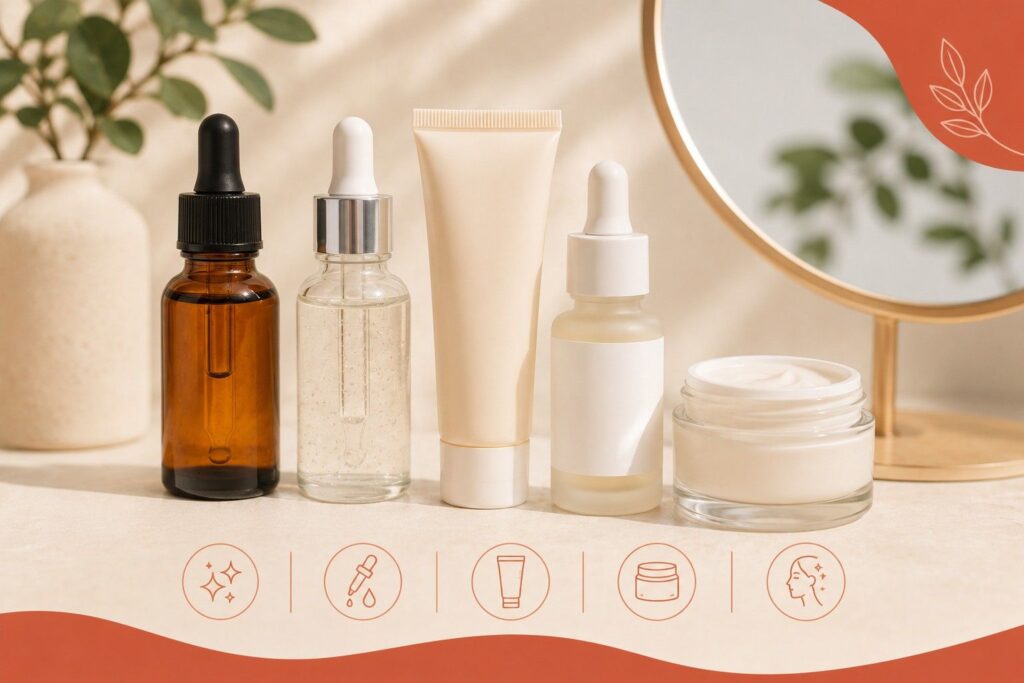
- Hydroquinone: Considered the gold standard in hyperpigmentation treatment, hydroquinone inhibits tyrosinase — a key enzyme in melanin production. Available in 2% OTC formulas or up to 4-8% by prescription. Should be used under medical guidance for extended periods.
- Vitamin C (Ascorbic Acid): A powerful antioxidant that brightens skin, reduces melanin synthesis, and protects against oxidative damage from UV rays. Great for daily use in serums.
- Retinoids (Retinol / Tretinoin): Speed up cell turnover, help fade dark spots, and improve overall skin texture. Prescription-strength tretinoin is highly effective; OTC retinol works more gradually.
- Kojic Acid: Derived from fungi during sake and rice wine fermentation, kojic acid is a popular natural alternative to hydroquinone for inhibiting melanin.
- Azelaic Acid: Naturally found in grains, azelaic acid is anti-inflammatory and helps with both acne and pigmentation. It is safe for sensitive skin and during pregnancy (consult your doctor).
- Niacinamide (Vitamin B3): Reduces the transfer of melanin to skin cells, minimizes pore appearance, and strengthens the skin barrier. One of the most well-tolerated brightening ingredients.
Consistency is key with topical treatments — most take 4 to 12 weeks to show visible results.
Professional / Clinical Treatments
- Chemical Peels: Glycolic acid, lactic acid, or TCA peels exfoliate the upper skin layers to reduce pigmentation and reveal fresher, more even skin. Light peels can be done regularly; deeper peels require recovery time.
- Laser Therapy: Q-switched Nd:YAG, fractional lasers, and intense pulsed light (IPL) therapy target melanin directly, breaking it apart for the body to naturally absorb. Laser treatments are highly effective but must be performed by certified professionals.
- Microdermabrasion: A mechanical exfoliation procedure that removes the outer layer of skin, improving texture and gradually reducing surface-level pigmentation.
- Cryotherapy: Liquid nitrogen is used to freeze and destroy the cells that produce excess pigment. Most effective for isolated spots like solar lentigines.
- Microneedling: Creates micro-injuries to stimulate collagen and pair with topical serums for deeper penetration, helping reduce pigmentation over multiple sessions.
Always consult a board-certified dermatologist before pursuing professional treatments, especially if you have a darker skin tone — some procedures can worsen pigmentation if not done correctly.
Read this: Manage Dryness and Flaking in Sensitive Skin
Prevention Tips: How to Stop Brown Spots Before They Start
Prevention is always easier than treatment. Here are the most effective evidence-backed strategies to keep your skin clear and even-toned:
1. Make Sunscreen Your Best Friend
This cannot be overstated. Applying a broad-spectrum SPF 30 or higher sunscreen every single day — even on cloudy days and when staying indoors near windows — is the single most effective prevention against brown spots. Reapply every two hours when outdoors. Look for sunscreens that contain zinc oxide or titanium dioxide for the best UV protection.
2. Seek Shade and Wear Protective Clothing
Between 10 AM and 4 PM, UV radiation is at its strongest. Wearing wide-brimmed hats, UV-protective sunglasses, and lightweight long sleeves when outdoors significantly reduces your skin’s cumulative UV exposure.
3. Treat Acne and Inflammation Promptly
The longer skin inflammation lingers, the more likely it is to leave behind post-inflammatory hyperpigmentation. Don’t pop pimples (this worsens inflammation), use targeted acne treatments early, and keep skin barrier healthy with gentle cleansing and moisturizing.
Read this: Acne vs Pimples: Key Differences, Causes & Best Treatment
4. Use Antioxidant-Rich Skincare
Antioxidants like Vitamin C, Vitamin E, ferulic acid, and green tea extract help neutralize free radicals caused by UV damage. Incorporating an antioxidant serum into your morning routine adds a critical layer of protection — and many also have skin-brightening benefits.
5. Stay Consistent with Your Skincare Routine
Regularity matters more than intensity. A simple, consistent routine — cleanse, treat (Vitamin C or niacinamide), moisturize, and protect (SPF) — is far more effective than sporadic use of expensive treatments.
Read this: Best Skin Care Tips and Routine for Glowing & Healthy Skin
6. Maintain a Skin-Healthy Diet

What you eat directly impacts your skin. Foods rich in antioxidants — berries, leafy greens, tomatoes, nuts, and green tea — help fight oxidative stress that accelerates pigmentation. Staying hydrated and limiting sugar and processed foods also supports an even skin tone.
7. Be Cautious with Hormonal Medications
If you are prone to melasma or have a history of hormonal pigmentation, discuss your concerns with your doctor when starting or changing contraceptives or hormone therapy. Some formulations are more likely to trigger melasma than others.
Frequently Asked Questions (FAQs)
Q: Can brown spots on the face be removed permanently?
A: In many cases, yes — with the right treatment. Laser therapy and cryotherapy can permanently remove certain types of spots. However, melasma and PIH tend to recur without ongoing sun protection and maintenance.
Q: How long does it take for brown spots to fade?
A: With consistent topical treatment, mild spots can fade in 4–8 weeks. Deeper or more stubborn pigmentation may take 3–6 months of dedicated care, or multiple professional sessions.
Q: Is it safe to use lemon juice on brown spots?
A: Lemon juice contains citric acid which may help lighten spots, but it is highly irritating and photosensitizing. It can worsen pigmentation or cause burns when used in sunlight. Dermatologists generally advise against it in favor of clinically proven ingredients.
Q: Can brown spots be a sign of cancer?
A: Most brown spots are benign. However, any spot that changes rapidly in size or color, has uneven borders, bleeds, or looks unusual should be evaluated by a dermatologist immediately using the ABCDE rule (Asymmetry, Border, Color, Diameter, Evolution).
Q: Are brown spots on the face more common in darker skin tones?
A: Yes. People with medium to dark skin tones (Fitzpatrick Types IV–VI) are more prone to post-inflammatory hyperpigmentation and melasma due to more active melanocytes. Treatment should be approached carefully to avoid over-treatment that causes further discoloration.
Final Thoughts: Your Path to Even, Glowing Skin
Brown spots on the face are incredibly common and, in most cases, very manageable. With the right knowledge, a consistent skincare routine, and proper sun protection, you can significantly reduce existing spots and prevent new ones from forming.
Whether you choose to start with a brightening Vitamin C serum, commit to daily SPF, or book a consultation with a dermatologist — taking that first step is what matters. Your skin has an incredible ability to renew itself when given the right environment and care.
At Daily Skin Glow, we believe beautiful skin is healthy skin — and that starts with understanding it. Stay consistent, protect your skin from the sun every day, and don’t hesitate to seek professional advice when you need it. Clear, glowing skin is not out of reach — it just takes the right approach.

 Admin
Admin
[…] Read this: Brown Spots on Face […]