 Admin
Admin Remove Tan And Pigmentation
Most people use “tan” and “pigmentation” interchangeably — but they’re quite different conditions with different causes and treatments.
What is a Tan?
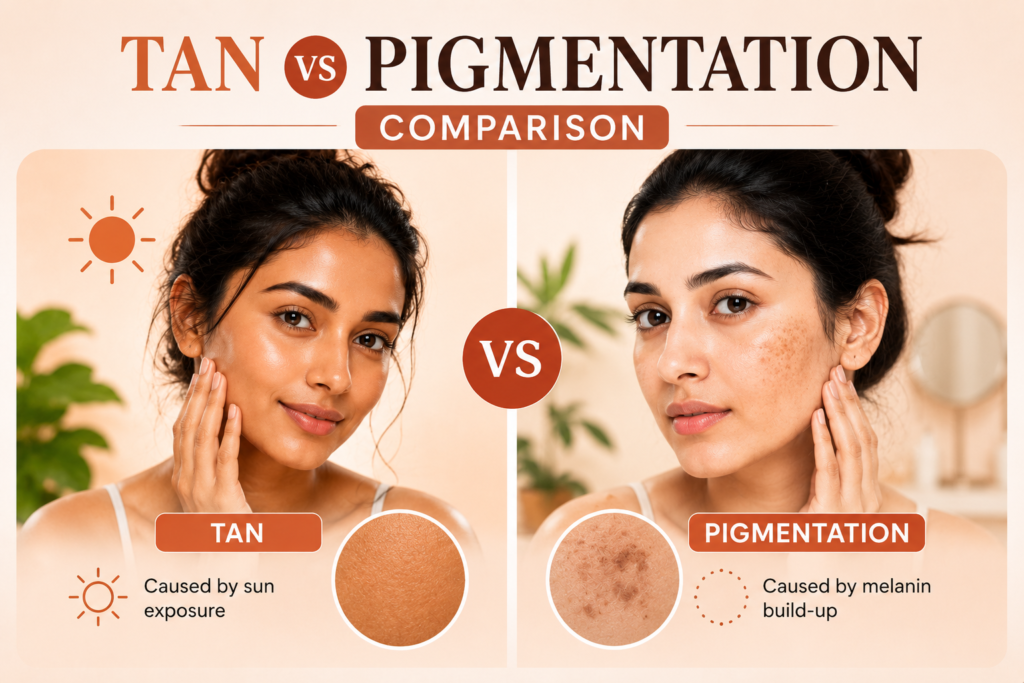
A tan is your skin’s temporary defense mechanism against UV radiation. When UV rays hit your skin, melanocytes (pigment-producing cells) produce extra melanin to absorb and neutralize the radiation. This extra melanin makes your skin appear darker — that’s your tan. The key word here is temporary. As your skin cells naturally shed (a cycle of about 28 days), the tanned cells are replaced by fresh, lighter cells — meaning tan naturally fades with time and can be accelerated with the right skincare.
What is Pigmentation?
Pigmentation (or hyperpigmentation) is deeper and more stubborn. It occurs when melanin gets deposited into the deeper layers of the skin — the dermis — due to inflammation, hormonal changes, or chronic UV exposure. Unlike a tan, which lives in the surface cells, pigmentation takes months or even years to fade without targeted treatment. Common types include melasma, post-acne dark spots (PIH), and sun spots.
Key Difference
Tan = surface level, fades faster, caused by UV exposure. Pigmentation = deeper skin layers, more stubborn, caused by inflammation, hormones, or chronic sun damage. Both require sunscreen and brightening actives, but pigmentation needs more targeted, long-term treatment.
2. Why Indians Are More Prone to Both
Indian skin sits primarily between Fitzpatrick types III to V — meaning it has more melanin than lighter skin tones but is highly reactive when it comes to melanin overproduction. Here’s why Indian skin tans faster and develops pigmentation more easily:
- High melanocyte reactivity: Indian skin melanocytes produce melanin rapidly in response to UV exposure, heat, and inflammation.
- Year-round UV exposure: India’s tropical geography means constant high UV index — even in winter or on cloudy days.
- Post-inflammatory hyperpigmentation (PIH) tendency: Any skin trauma — acne, cuts, rashes — triggers melanin overproduction in Indian skin far more intensely than in lighter skin types.
- Hormonal fluctuations: Melasma, triggered by estrogen, is extremely common among Indian women — during pregnancy, while using oral contraceptives, or during perimenopause.
- Inadequate sun protection: Despite the need, regular SPF use remains underutilized in India — leaving skin chronically sun-damaged over time.
3. Types of Pigmentation You Need to Know
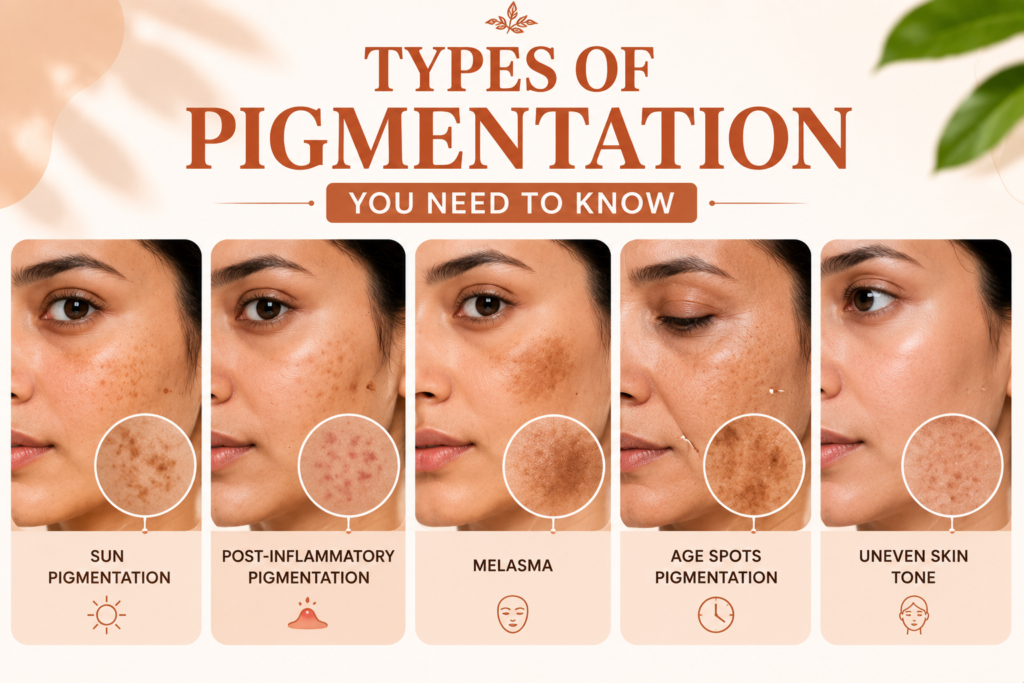
Not all dark patches are the same. Identifying your type of pigmentation helps you choose the right treatment.
Sun Tan
Uniform darkening on sun-exposed areas like arms, neck, and face. Fades with exfoliation and depigmenting actives. Fastest to treat.
Melasma
Symmetrical brown or greyish patches on cheeks, forehead, upper lip. Hormonal and UV-triggered. Chronic and requires long-term management.
Post-Inflammatory (PIH)
Dark marks left behind after acne, eczema, or skin injury. Very common in Indian skin. Responds well to niacinamide and retinol.
Periorbital Darkness
Dark circles under the eyes. Often vascular or structural. Requires vitamin C, caffeine, and sometimes dermal fillers for structural causes.
Age Spots / Sun Spots
Flat, well-defined dark spots from years of UV exposure. More common after 35. Laser or chemical peels most effective.
Read this: Acne vs Pimples: Key Differences, Causes & Best Treatment
4. Proven Skincare Ingredients to Remove Tan and Pigmentation
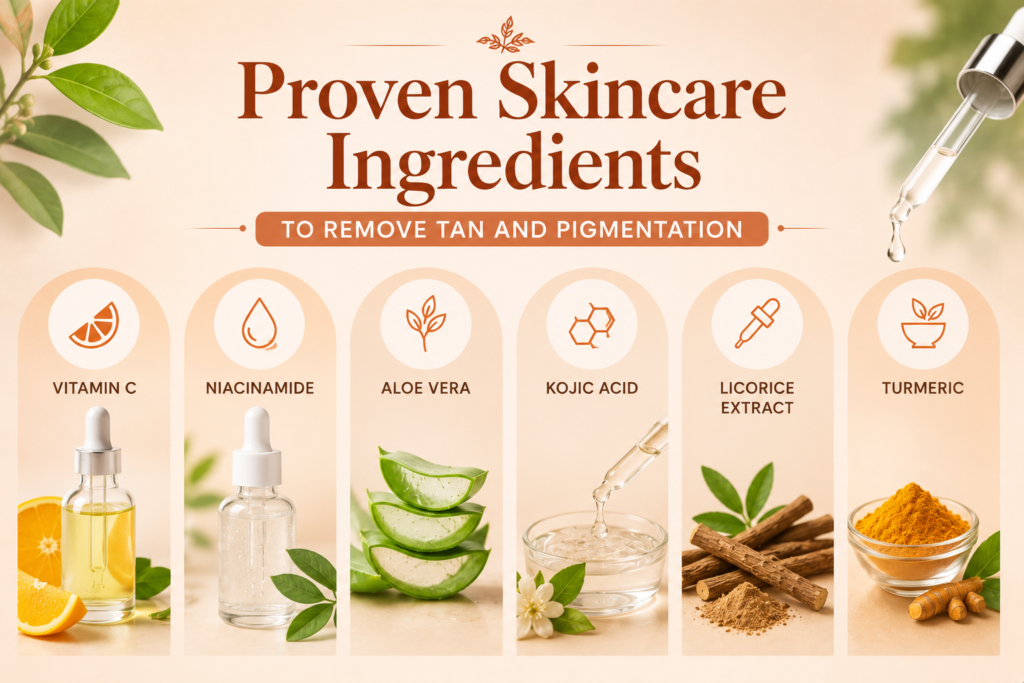
This is where science meets skincare. These are the clinically proven ingredients that actually work on tan and pigmentation — especially for Indian skin tones.
| Ingredient | How It Works | Best For | Strength |
| Niacinamide | Blocks melanin transfer from melanocytes to skin cells | PIH, uneven tone, general brightening | 5–10% |
| Vitamin C (L-Ascorbic Acid) | Inhibits tyrosinase enzyme, neutralizes free radicals | Tan, dullness, sun spots | 10–20% |
| Alpha Arbutin | Inhibits tyrosinase slowly and safely | Melasma, PIH, overall brightening | 1–2% |
| Tranexamic Acid | Blocks UV-induced pigmentation signaling | Melasma, stubborn pigmentation | 2–5% |
| Kojic Acid | Fungal-derived tyrosinase inhibitor | Sun tan, age spots, PIH | 1–4% |
| Azelaic Acid | Targets abnormal melanocytes, anti-inflammatory | Melasma, rosacea-linked pigmentation | 10–20% |
| Glycolic Acid (AHA) | Exfoliates surface pigmented cells | Tan, surface dark spots, texture | 5–10% |
| Retinol / Retinoids | Accelerates cell turnover, disperses melanin clusters | PIH, age spots, deep pigmentation | 0.025–1% |
| Licorice Root Extract | Contains glabridin which inhibits pigmentation enzymes | Sensitive skin, gentle brightening | Varies |
Best Ingredient Combinations for Indian Skin
Morning: Vitamin C serum + Niacinamide moisturizer + SPF 50. Night: Alpha Arbutin or Tranexamic Acid serum + Retinol (2-3x per week). Never layer Vitamin C with Niacinamide directly — apply one, wait 20 minutes, then apply the other, or use them in separate AM/PM routines.
5. Best Home Remedies That Actually Work

While actives are the gold standard, several traditional Indian ingredients have genuine science behind them. Here’s what’s worth your time — and what isn’t.
Turmeric + Curd Mask
Curcumin in turmeric inhibits melanin synthesis. Lactic acid in curd gently exfoliates. Apply 2x weekly for 10 minutes. Effective for mild tan and PIH.
Potato Juice
Contains catecholase enzyme which has mild skin-lightening properties. Apply raw potato slice on dark patches for 15 mins. Best for early-stage tan.
Aloe Vera Gel
Aloesin compound in aloe inhibits tyrosinase activity. Soothe freshly tanned skin with pure aloe gel. Also calms inflammation that triggers PIH.
Sandalwood Paste
Alpha-santalol has antioxidant and melanin-inhibiting properties. Make paste with rose water and apply to pigmented areas. A gentle, skin-safe option.
Honey + Lemon Mask
Honey hydrates and has mild brightening properties. Lemon provides Vitamin C but can irritate sensitive skin — always dilute and avoid sun exposure after use.
Raw Milk Compress
Lactic acid in raw milk exfoliates gently. Soak cotton in chilled raw milk, apply for 20 minutes. Works well for fresh tan removal and brightening.
Avoid These Common Mistakes
Never apply undiluted lemon juice directly to skin — the citric acid combined with sunlight causes photosensitivity and can worsen pigmentation (phytophotodermatitis). Similarly, avoid rubbing ice directly on pigmented areas or using toothpaste on dark spots — these cause more inflammation, worsening PIH in Indian skin.
Read this: 5 Homemade face packs for glowing skin in summer
6. The Ideal Skincare Routine to Fade Tan and Pigmentation
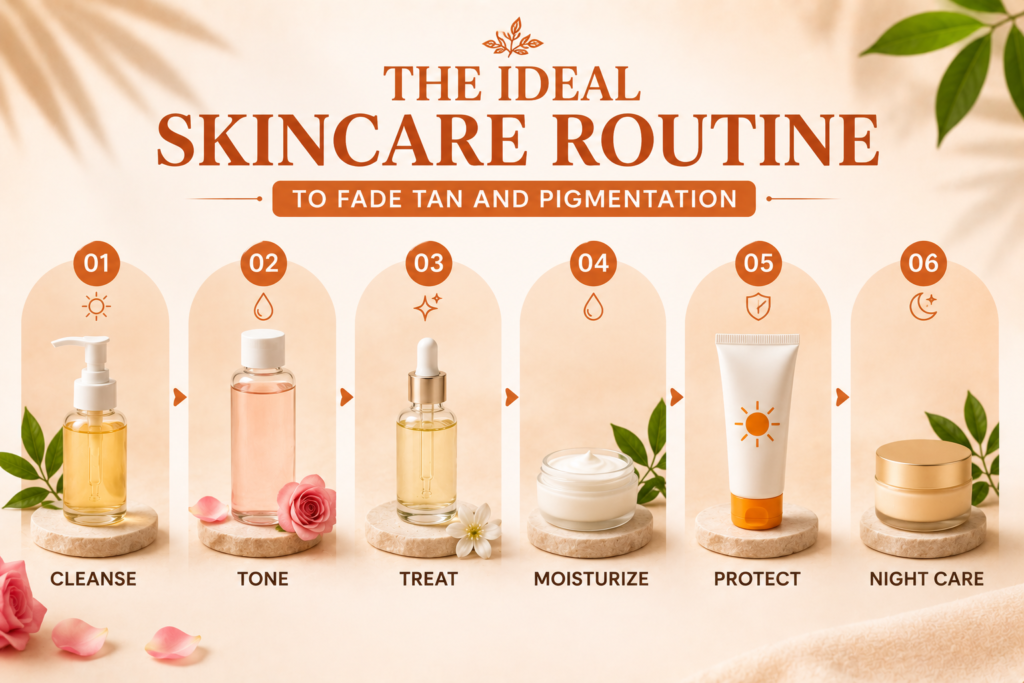
Consistency is everything. Here’s a dermatologist-approved routine structured for Indian skin dealing with tan and pigmentation:
Read this: Best Skin Care Tips and Routine for Glowing & Healthy Skin
Morning Routine
1 Gentle Cleanser
Use a mild, pH-balanced cleanser. Avoid soap-based cleansers that strip the skin barrier — a damaged barrier makes pigmentation worse.
2 Vitamin C Serum (10–15%)
Apply 3–4 drops on damp skin. This is your primary brightening powerhouse for the day. Allow it to absorb for 2 minutes before the next step.
3 Niacinamide Moisturizer
A moisturizer with 5% niacinamide hydrates while blocking melanin transfer. This step also locks in your Vitamin C.
4 Broad-Spectrum SPF 50
The single most important step. No de-tanning product works if you’re not wearing sunscreen. Reapply every 2 hours if outdoors. Use a formula that doesn’t leave a white cast
Evening Routine
1 Double Cleanse
Oil cleanser to remove SPF and makeup, followed by your gentle foaming cleanser. Incomplete SPF removal causes clogged pores and inflammation.
2 Treatment Serum
Apply Tranexamic Acid, Alpha Arbutin, or Azelaic Acid serum. These work best overnight when skin is in repair mode. Alternate with Retinol 2–3 nights per week.
3 Exfoliate (2–3x a week)
On exfoliation nights, skip the treatment serum and use a gentle AHA toner or a glycolic acid serum to shed pigmented surface cells.
4 Nourishing Moisturizer
Seal everything in with a richer moisturizer at night. Look for ceramides, peptides, or squalane. These repair the skin barrier overnight.
7. Dermatological Treatments (When Home Care Isn’t Enough)
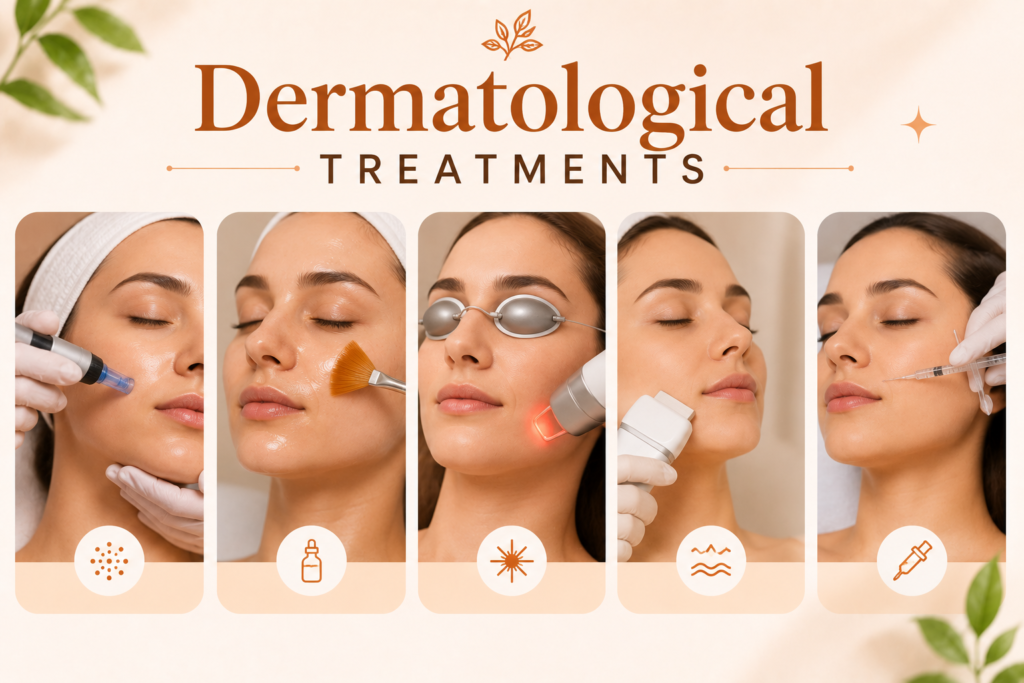
If your pigmentation is deep, chronic, or related to melasma, topical skincare alone may not be sufficient. Here are the clinical options your dermatologist may recommend:
- Chemical Peels (Glycolic, Lactic, Mandelic): Professional-grade acids that deeply exfoliate pigmented layers. Mandelic acid peels are particularly suitable for Indian skin as they’re gentler and less likely to cause post-peel PIH. Usually done in a series of 4–6 sessions.
- Laser Treatments (Q-switched Nd:YAG): Targets melanin deposits with concentrated light energy. Highly effective for stubborn sun spots and deep pigmentation. Must be done by an experienced dermatologist to avoid post-laser PIH in dark skin tones.
- Microneedling with Brightening Serums: Creates micro-channels in the skin to deliver depigmenting actives (like tranexamic acid or Vitamin C) deeper. Great for acne scars + PIH combined.
- Prescription Topicals (Hydroquinone + Tretinoin): The gold standard combination for stubborn melasma and PIH. Must be used under medical supervision — hydroquinone should not be used long-term and requires breaks.
- Oral Tranexamic Acid: For severe, widespread melasma. Prescribed by dermatologists and taken in low doses. Shows remarkable results in Indian patients with hormonal melasma.
Important
Never attempt at-home chemical peels at high concentrations or buy prescription-strength hydroquinone without a dermatologist’s guidance. Indian skin is particularly prone to rebound pigmentation and post-procedure hyperpigmentation if treatments are too aggressive or poorly managed.
Read this: Natural Skincare Routine for Healthy & Glowing Skin
8. Myths About Tan and Pigmentation — Busted
Myth
Sunscreen is only needed in summer or when outdoors
UVA rays — the ones responsible for deep pigmentation and aging — penetrate glass and clouds year-round. Indoor lighting and blue light from screens also contribute to pigmentation. SPF is a daily non-negotiable, every single day.
Myth
Tan will go away on its own quickly
Without intervention, tan fades as skin cells shed — a cycle of about 28–40 days. However, chronic sun exposure before tan fades creates cumulative damage that can evolve into permanent pigmentation. Active treatment accelerates removal significantly.
Myth
Fairness creams remove tan and pigmentation
Over-the-counter fairness creams often contain harmful steroids, mercury, or high concentrations of undisclosed actives. They may temporarily lighten skin by suppressing melanin but cause long-term skin damage, steroid dependency, and rebound hyperpigmentation.
Myth
Natural remedies alone are enough to treat melasma
Mild tan responds well to home remedies, but melasma and deep PIH require clinical-grade actives. Dermal-level pigmentation cannot be reached by surface-only home treatments. Combine natural remedies with proven actives for best results.
Myth
More exfoliation = faster pigmentation removal
Over-exfoliating damages the skin barrier, causing inflammation — which directly triggers MORE melanin production and worsens pigmentation. Exfoliate 2–3 times a week maximum, and always follow with a barrier-supporting moisturizer.
9. Frequently Asked Questions (FAQs)
How long does it take to remove tan from the face?
A fresh tan from a single day of sun exposure can fade in 1–2 weeks with consistent use of SPF, gentle exfoliation, and a Vitamin C serum. Tan built up over weeks or months may take 4–8 weeks of consistent treatment. Deep pigmentation or melasma can take 3–6 months or longer with a combination of actives and professional treatments.
What is the fastest way to remove tan from the body?
For body tan removal, exfoliate 2–3 times a week with a glycolic acid body wash or scrub. Follow with a Vitamin C or kojic acid body lotion. Apply SPF 30+ on exposed areas daily. A professional glycolic acid body peel from a dermatologist can accelerate results significantly.
Can I remove pigmentation permanently?
Pigmentation like PIH and sun spots can be permanently removed with the right treatment plan. However, melasma is a chronic condition that can recur with hormonal changes or sun exposure. The goal with melasma is long-term management and maintenance rather than a permanent cure.
Is niacinamide or Vitamin C better for pigmentation?
Both work differently and complement each other. Vitamin C is more potent for brightening and oxidative damage, while niacinamide is gentler and more consistent for blocking melanin transfer. For Indian skin dealing with both tan and PIH, using Vitamin C in the morning and niacinamide at night (or in a moisturizer) gives the best combined results.
Does retinol help with tan and pigmentation?
Yes — retinol accelerates skin cell turnover, which helps shed pigmented surface cells faster and also disperses existing melanin clusters in the dermis. It’s especially effective for PIH and sun spots. Start with a low concentration (0.025–0.05%) 2–3 nights a week and build up gradually to avoid retinol irritation.
Which sunscreen is best for Indian skin prone to pigmentation?
Look for broad-spectrum (UVA + UVB) sunscreens with SPF 50+. For pigmentation-prone skin, choose formulas with added antioxidants (Vitamin C, E, or niacinamide) that provide extra protection against free radical damage. Hybrid sunscreens with both chemical and mineral filters work well for Indian skin without leaving a white cast.
Read this: Types of Skin Complexion in India Explained
Your Glow Is Just a Consistent Routine Away
Tan and pigmentation don’t have to be permanent. With the right ingredients, a consistent routine, and the most important step of all — daily sun protection — you can absolutely achieve even-toned, radiant, healthy skin. At Daily Skin Glow, we believe every Indian skin tone deserves to shine — not lighter, but brighter, healthier, and more confident. Start today, stay consistent, and let your natural glow do the talking.

 Admin
Admin