 Admin
Admin Coffee Face Scrub Benefits
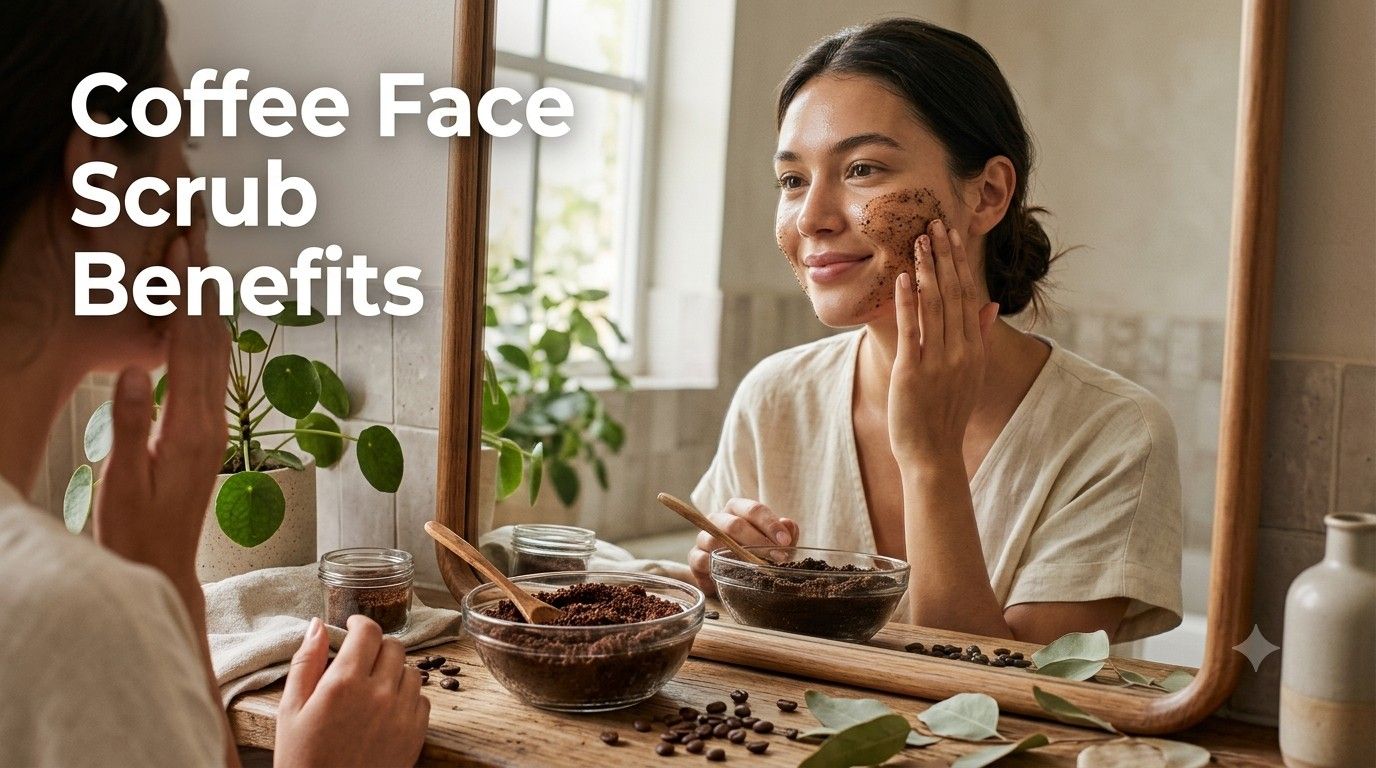
If you open an Indian kitchen cupboard, chances are you will discover a jar of espresso sitting right after sugar and tea leaves. But coffee isn’t just for your morning cup anymore. Over the last few years, it has quietly become one of the most touted ingredients in skin care, especially for people managing silly pore skin, tanning and rough texture due to pollutants and heat This is where the espresso facial scrub blessings of wisdom fiction turn out to be obviously beneficial — not in a gone-fashion way, Yet as a convenient, affordable addition to your weekly skincare routine.
Most Indian cities address excessive humidity, dirt, and static sun exposure, all of which accelerate lifeless pores and skin accumulation in the face This buildup is exactly what makes pores and skin look worn, patchy and flaky, even when you’re not particularly pressured or sleep-deprived anymore. A coffee scrub eliminates this trouble at the most primal, mechanical level — physically through lifting away that outer lifeless layer so that the fresher skin underneath can show through In this booklet we’ll spoil just what coffee does to your skin, the technological know-how behind why it really works, a way to use it successfully for your specific pores and skin type, mistakes most people don’t know, and what dermatologists really think can really use it
What are the benefits of a coffee face scrub?
Espresso Facial Scrub lightly exfoliates lifeless pores and skin cells, improves blood circulation, reduces puffiness, and provides skin with a brief luminescence Its caffeine content content and slightly granular texture helps unclog pores and smooth tough patches, making it famous natural It feels oily, especially for oily and regular pores and skin types
Table of Contents
- What Is a Coffee Face Scrub?
- Top Coffee Face Scrub Benefits
Coffee Scrub vs Other Popular Scrubs
How to Use a Coffee Scrub the Right Way
Common Mistakes to Avoid
Myths vs Facts About Coffee Scrubs
Expert Tips for Best Results
Who Should Avoid Coffee Scrubs
Conclusion
FAQs
What Is a Coffee Face Scrub?
Espresso Face Scrub is a body scrub made using ground coffee, typically mixed with a binder including coconut oil, yogurt, honey, or besan (gram flour) The coarse, grainy texture of espresso grounds works by helping enhance gentle rubbing against pores and the surface of the skin. This rub physically lifts dead pores and skin cells that have accumulated over the days, alongside trapped dirt, sweat residue, and excess oil that daily face washing often fails to remove at all What makes espresso special from many other exfoliators is that it works only through mechanical action as opposed to a chemical reaction.
Products like AHA (alpha hydroxy acid) or BHA (beta hydroxy acid) dissolve the “glue” that keeps lifeless skin cells together on a mobile footing while an espresso scrub physically scrapes this sediment through touch and movement. That’s why the tension and technique you handle counts just as abundantly as the ingredient — using it aggressively can argue more damage than right, while at the same time gentle, controlled use provides satisfying results
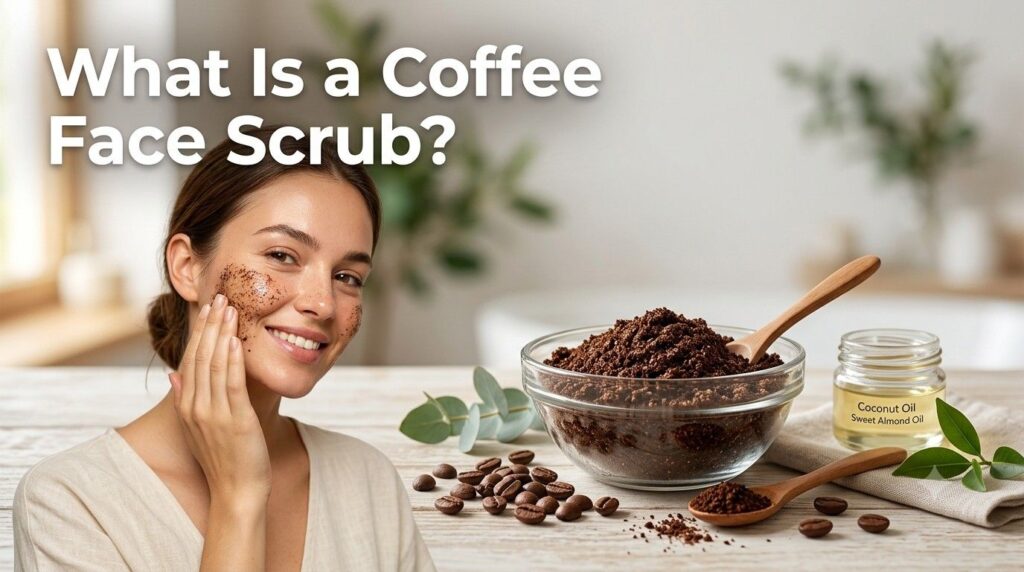
Ground coffee contains natural oils and antioxidant compounds, including chlorogenic acid, which is released slightly at some point in the scrubbing system Although a two-minute scrub consultation doesn’t allow deep absorption of those compounds like a go-away-on serum would, light contact blesses soft surface-stepping. This is why espresso scrubs are often defined as a “quick refresh” remedy as opposed to an extended-time corrective, and know-how this distinction enables you to set sensible expectations before you often start using it.
Top Coffee Face Scrub Benefits
Coffee offers a combination of physiological filters and mild bioactive benefits that make it truly beneficial for regular skin care, and no longer just a trendy kitchen hack. Below we break down each advantage in my view, along with the technology and sensible reasoning behind why it works.
1. Removes Dead Skin Cells and Dullness
Skin naturally sheds dead cells every 28 to 40 days, but factors like pollution, sweat, and dust — common realities in most Indian cities — cause this dead layer to build up faster than it sheds on its own. When this happens, skin starts looking flat, rough, and visibly dull, even if you’re cleansing twice a day.
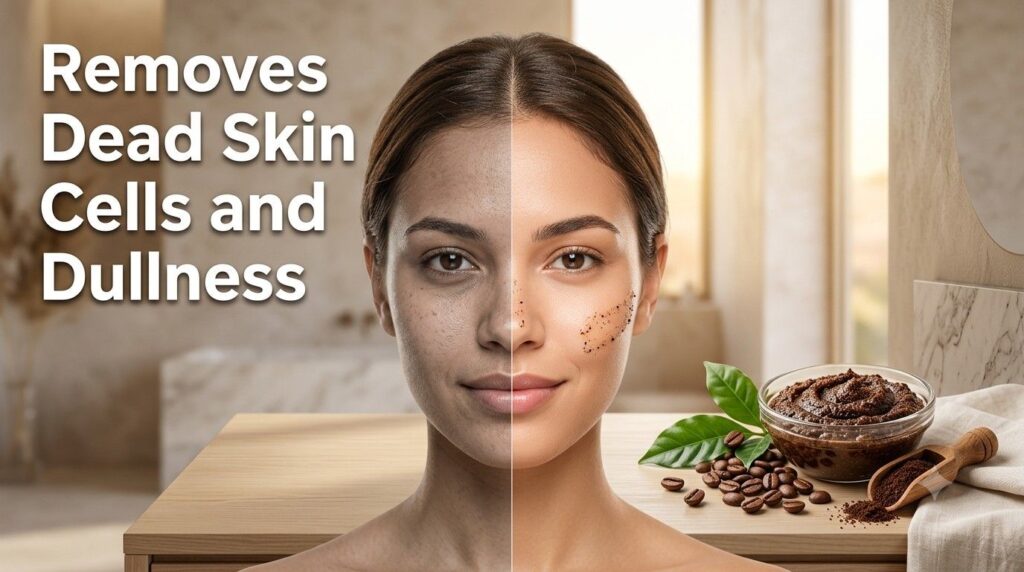
The coffee scrub works by using physically displacing this compacted layer of dead cells. As you rub the ground over damp skin, the gentle rubbing removes the build-up that makes an ordinary cleanser often slippery. That’s why many humans wash off a coffee scrub and notice an immediate, visible glow — it’s not always a forever option for pores and skin tones, yet alternatively natural, more healthy pores and skin underneath turn visible again
Read this: Homemade Face Scrub for Blackheads:5 Proven DIY Recipes That Actually Clear Your Pores
2. Improves Blood Circulation
The circular massaging motion involved in using an espresso scrub increases localized blood flow to pores and the skin floor This is due to the fact that gentle rubbing and tension just stimulate small capillaries under the skin, encouraging more oxygenated blood to reach that region faster Due to the fact pores and skin cells rely on a steady supply of oxygen and nutrients to efficiently repair their abilities when float slows down — generally those sitting at a desk for long hours or not getting enough physical movement — There is no perpetual degree, however this mile is a totally beneficial pre-chance or pre-opportunity step, similar to how moderate face rub works.
Good circulation matters because skin cells depend on a consistent delivery of oxygen and nutrients and restoring themselves effectively to symptoms. When flow slows — often occurring in individuals who sit at a desk for long hours or don’t get enough physical movement — pores and skin look pale, tired, or flaky Temporary flow of blood from scrubbing is one reason skin looks red and glowy immediately after regular use. While this current enhancement is short-lived and not a permanent treatment, it is a sincerely useful pre-event or pre-event step, similar to how a light facial massage works
3. Helps Reduce Puffiness
Caffeine is scientifically recognized as a mild vasoconstrictor, meaning it causes blood vessels to narrow slightly. This is precisely why caffeine is a common active ingredient in under-eye creams and de-puffing gels sold by major skincare brands. When applied topically, even briefly during a scrub session, caffeine can have a similar, though much milder and shorter-lasting, tightening effect on puffy or swollen areas of the face.

This makes espresso scrubs especially appealing to those who wake up with a visible puffiness due to fluid retention, negative sleep, or excessive salt intake the night before — not a fairly uncommon condition for many humans juggling irregular work schedules That said, controlling expectations is important: effects are cosmetic and fleeting, It lasts a few hours at most, and should in no way be used but to address the real causes of persistent inflammation such as terrible sleep, dehydration, or underlying fitness conditions
4. Helps with Mild Tan Removal
Suntan is one of the most searched skincare concerns among Indian users, given how much time many people spend outdoors, whether commuting, working, or exercising. Tanning occurs when UV exposure triggers increased melanin production in the skin’s outer layer as a protective response. Over time, this creates a visible darkening, most noticeable on areas like the face, neck, and hands.
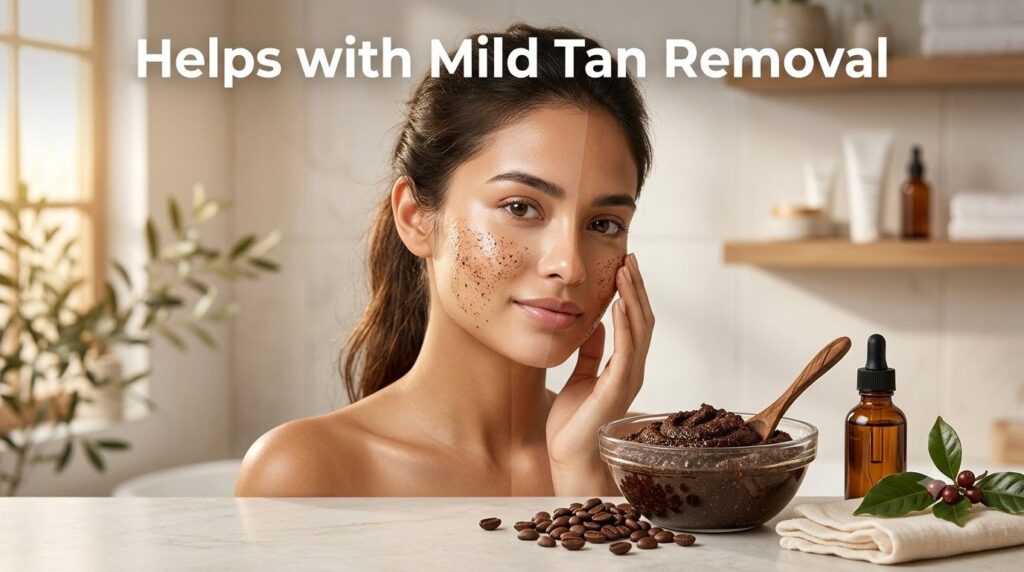
A coffee scrub facilitates through gliding away the outermost, sun-damaged layers of dead skin, and that’s where the bulk of the tanning in sight sits. This makes tan traces and patches look much less pronounced after a few uses. However, the cleansing is important in that it’s surface lap correction, not permanent skin lightening. Melanin produced deeper in the skin is not afflicted by physical scrubs, which is why tanning is often revisited with continuous solar exposure For real, long-term tan prevention, sunscreen software stays a way extra effective than any scrub every single day — even if interior near windows.
Read this: Remove Tan And Pigmentation
5. Unclogs Pores
Oily and combination skin types, which are extremely common in India’s hot and humid climate, tend to produce excess sebum. When this sebum mixes with dead skin cells, dust, and pollution particles, it often settles into pores and hardens, eventually leading to blackheads and rough, bumpy texture, especially around the nose and chin.

The gentle abrasive action of the coffee scrub helps to loosen this tough build-up that sits in the hole as it begins. Regular use, obtained gently and not frequently, can reduce the visitation of clogged pores, especially after a few weeks. It’s really important to note that a scrub works on the surface-layer buildup handiest; Can’t get as deep into the pore as a chemical exfoliant or professional removal facial can. Combining an espresso scrub with a salicylic acid-based and an all-clean often results in a higher, more balanced result on chronic dark spots change days
6. Natural Antioxidant Exposure
Coffee is well documented in scientific literature for its antioxidant content, particularly chlorogenic acid and caffeic acid, both of which help neutralize free radicals — unstable molecules generated by UV exposure and pollution that damage skin cells over time and accelerate visible ageing.

Although the amount of antioxidant absorption from a fast, rinse-off scrub is somewhat far less compared to a go-away-on serum especially designed for deep penetration, there is still some bottom-line benefit from fast contact times making coffee a useful supplementary step to an antioxidant-focused practice, Instead of opting for a proper Nutrition C serum or every day sunscreen, each of which remains the gold standard for long-term antioxidant protection in skin care
7. Budget-Friendly and Easily Available
One of the benefits of espresso facial scrubs is the most sensible accessibility. Salon-based totally ejaculation treatments in Indian cities can cost anywhere from a few hundred to three thousand per consultation, and require usual repeat visits to hold results Homemade espresso scrub, in contrast, is nothing, because most households have already got floor espresso, yogurt, honey, or coconut oil in their kitchens

This affordability makes it genuinely sustainable for weekly use without straining a skincare budget, and it’s one of the reasons coffee scrubs have remained popular across generations in Indian households, long before skincare influencers started talking about them online.
Coffee Scrub vs Other Popular Scrubs
Choosing the right scrub depends heavily on your skin type, sensitivity level, and the specific concern you’re trying to address. Not every exfoliant suits every face, and using the wrong one can do more harm than good, especially for people with reactive or thin skin. The table below compares coffee scrubs against other commonly used exfoliants in terms of texture, suitability, and cost, to help you make an informed decision rather than picking based on trends alone.
| Scrub Type | Best For | Texture | Skin Sensitivity Risk | Cost |
|---|---|---|---|---|
| Coffee Scrub | Dullness, tan, oily skin | Coarse | Medium | Low |
| Sugar Scrub | Dry, sensitive skin | Fine to medium | Low | Low |
| Walnut Scrub | Deep exfoliation, body use | Very coarse | High (for face) | Medium |
| Oatmeal Scrub | Sensitive, acne-prone skin | Fine | Very Low | Low |
| Chemical Exfoliant (AHA/BHA) | Acne, pigmentation, anti-aging | None (liquid) | Depends on strength | Medium to High |
Coffee sits in a troubled middle ground on this spectrum. It is thicker extra and more effective than sugar or drihi scrub, making it extremely higher for humans with oily or ordinary pores and skin facing dullness or tanning. At the same time, it’s not always as harsh as a walnut shell scrub, which many dermatologists are undoubtedly wary of for facial use because the sharp, choppy particles can cause micro-tears in sensitive facial pores and skin Compared to chemical exfoliants, espresso scrubs are gentle and don’t bring risks like elevated sun sensitivity, which some AHA and BHA merchants do Just paint a picture at the cellular level preferably on the bottom For most newbies exploring natural pores for the first time, coffee scrubs are a safe, gentle place to start earlier than thinking about stronger alternatives
How to Use a Coffee Scrub the Right Way
Using a coffee scrub correctly makes the difference between glowing skin and irritated, damaged skin. Following a proper method ensures you get consistent, safe results without unnecessary side effects.

Start by washing your face with some cleanser and pat a little wet — by no means bone dry — because dry pores and skin increase friction and the chance of micro-tears Take about a teaspoon of freshly ground espresso and mix with a moisturizing base appropriate for your pores and skin type: Yogurt works nicely for shiny pores and skin, honey Suitable for dry pores and skin every day, and coconut oil is good for extremely dry or mature pores and skin.
Apply the mixture using your fingertips as opposed to your palms, considering the fingertips allow additional manipulation on the tension. Go in gentle circular motions, concentrating on the T-zone (eyebrows, nose, chin) where oil and dead skin build up fastest, while being extra careful on cheeks and across the chin line where pores and skin tend to thin Set the entire scrubbing advice to 60 ninety seconds — this is definitely skin barrier There is enough time for mechanical exfoliation of the paintings without over-stressing Rinse very thoroughly with lukewarm water, when you think warm water breaks down herbal oils, then follow up with a lightweight, non humoral moisturizer to supplement hydration immediately after feeling tight and dehydrated pores and skin, on the basis that slippage briefly disrupts skin herb barrier this whole Limit the average to just one or periods depending on the week; Any more frequent hazards compromise your skin’s defense barrier instead of increasing it.
Read this: Homemade Face Cleanser for Daily Use and Glowing Skin
Common Mistakes to Avoid
Even a simple, natural ingredient like coffee can cause problems when used incorrectly, and most skin issues linked to scrubs come down to a handful of avoidable habits rather than the ingredient itself.
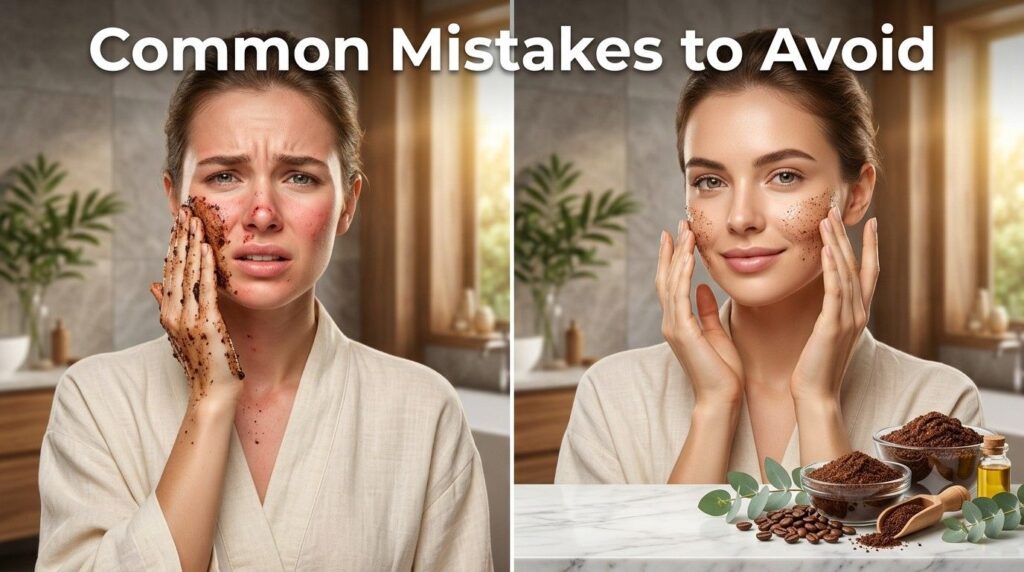
A frequent mistake is excessive scrubbing, based on the totally incorrect assumption that more stress equals faster or better results In reality, competitive scrubbing causes microtears under the skin, mainly redness, sensitivity, and tiny breakouts as microbial infiltration through these small openings every so often many people every day use coffee scrubs, thinking it will accelerate their glow, when in reality this weakens skin barriers over the years, making skin extra susceptible to dryness, irritation and ironically more dullness
Applying coffee scrub directly to energetic pimples, open wounds, or fresh acne are all other common mistakes, as body rubbing can expose bacteria to surrounding areas and worsen the infection instead of helping it heal. Some people additionally get a bottle of instant espresso — the kind intended for the drink, loaded with regularly brought sugar and artificial flavoring — instead of simple bottom coffee, which can aggravate pores and skin and cause pointless stickiness Another observation of leaving moisturizer immediately after scrubbing is that the skin becomes dehydrated and flaky within hours. Lastly, many humans scrub too close to the sensitive under-eye area, in which pores and skin are appreciably thinner and there is far more subtle loss, redness, and untimely pleasurable tension from repeated friction
Myths vs Facts About Coffee Scrubs
There’s a lot of misinformation floating around about coffee scrubs, often exaggerated by social media trends promising overnight transformation. Separating fact from myth is essential for using this ingredient safely and with realistic expectations.
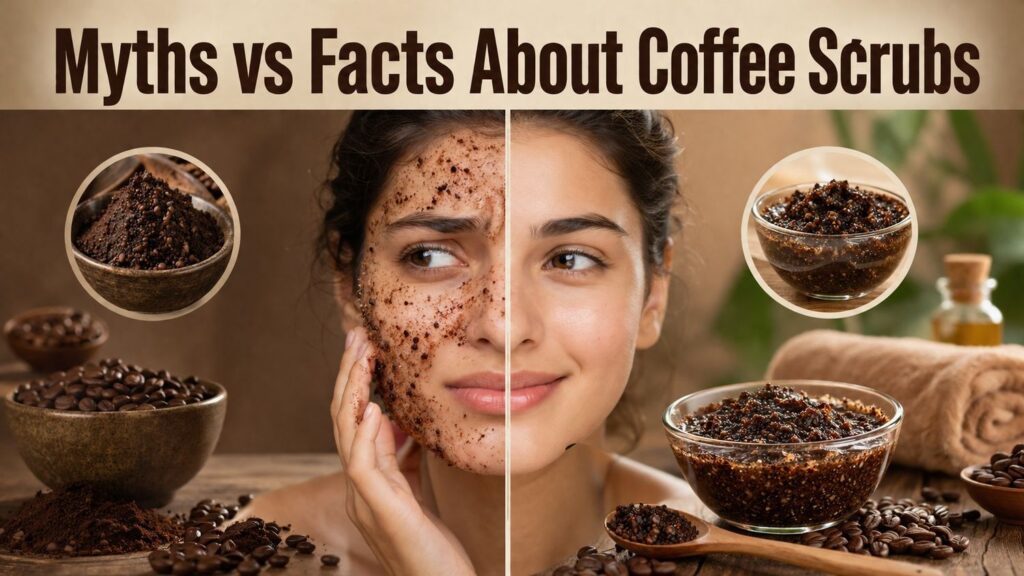
Myth 1: Coffee scrub permanently lightens skin tone. Fact: It only removes the tanned, dead skin layer temporarily by exfoliating the surface. Melanin production happens at a deeper cellular level, and no scrub — coffee or otherwise — can permanently alter your natural skin tone.
Myth 2: The coarser the scrub, the better the results. Fact: Very coarse, unevenly ground particles can cause micro-tears on facial skin, which is significantly thinner and more delicate than skin on the body. Finer, more consistent grounds are actually safer and equally effective for the face.
Myth 3: Daily use gives faster, better glow. Fact: Over-exfoliation weakens the skin’s protective barrier, leading to redness, increased sensitivity, and ironically, more dullness over time as the skin struggles to repair itself between sessions.
Myth 4: Coffee scrub cures acne. Fact: While it may help with clogged pores, it does not treat active, inflamed acne or the bacteria causing breakouts. In fact, scrubbing directly over active pimples can spread infection and worsen the condition.
Myth 5: All coffee scrubs are the same. Fact: Homemade scrubs vary significantly based on grain size, freshness, and the base ingredient used, meaning results and safety levels differ from one recipe to another, even if the core ingredient is identical.
Expert Tips for Best Results
Dermatologists and skin-care experts generally agree that coffee scrubs can be a safe, beneficial addition to repetition when used thoughtfully, however a few expert insights can substantially enhance your results and reduce the dangers Most dermatologists advocate physical scrubs like coffee scrubs specifically for normal, oily, or aggregate skin types, and generally suggest against them for sensitive, eczema-sensitive, or actively breakout skin, where mechanical friction can do more harm than good immediately following your scrub session with a hydrating sheet mask.
The pairing facilitates replenishing the moisture that gets briefly dispersed for the duration of the ejaculation, leaving the skin plump instead of tight It is additionally strongly cautioned to patch-test any new scrub combination for your wrists or inner arms at least 24 hours before applying to your face, especially in the event you use with additional ingredients like lemon juice, which can boom photosensitivity in some people and purpose irritation.
Since self-made scrubs regularly use clean, preservative-free ingredients like yogurt or honey, it’s nice to put them in the fridge and use the combination within 3 to 4 days to keep them away from bacterial growth If you are currently coping with vivid breakouts, professionals offer to switch to mild chemical exfoliants in preference to physical scrubs in the course of that period, with mild salicylic acid cleansing, considering that the chemical slip does not cause direct rubbing on infected pores and skin
Who Should Avoid Coffee Scrubs
While coffee scrubs are generally safe for many skin types, they aren’t suitable for everyone, and knowing when to avoid them is just as important as knowing how to use them.
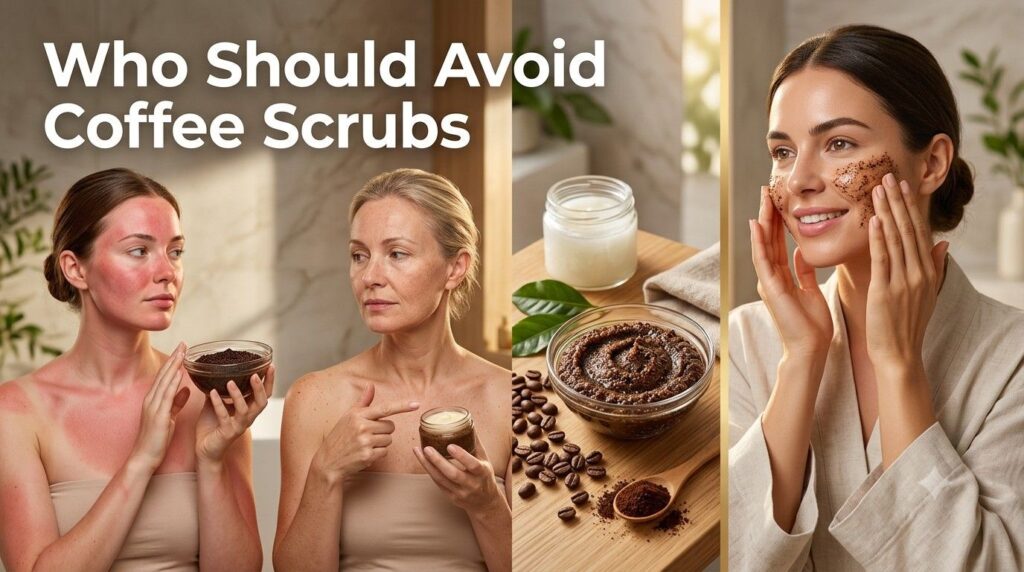
People with active acne, open sores, or currently managing popped zits should steer clear, as mechanical friction from scrubbing can expose bacteria and get worse inflammation conversely to help clear it Those with eczema or pink-sensitive pores and skin should also steer clear of body scrubs entirely, as already one of those conditions Compromised or over-reactive pores and skin barriers can in addition worsen that friction-based slippage at all, leading to flare-ups.
Anyone who has currently gone through professional facials, including chemical peels, laser resurfacing, or microdermabrasion, should wait until their pores and skin are totally healed and their dermatologist can’t proceed before introducing any scrubs, due to skin being in a particularly weak, regenerative state It happens — often with a lot of blood loss or a greater tendency to react to new things — be careful, because in these cases even soft body slippage can trigger sensitivity For all people in those categories, a gentle, perfume-free cleanser mixed with a mild chemical exfoliant, used sparingly and under guidance, is generally the safe route until the skin condition improves and the dermatologist confirms that reintroduction of body scrubs is appropriate
Conclusion
Real espresso mouth scrub blesses what satisfying does — gentle glide, progressive circulation, and an instant glow that many Indian consumers absolutely enjoy as part of their weekly self-care routine. It works by removing physiologically created crappy skin and provides a small extra allowance through caffeine and antioxidants, but it’s not always a miracle fix for pigmentation, pigmentation, or zits. Used successfully, moderately, and matched to your unique skin type, a coffee scrub can be a simple, low-cost, and totally effective step towards smoother, fresher looking pores and skin such that any skin care dependency, consistency, and gentleness should count far more than depth or frequency.
Read this: Skincare Routine for Beginners
FAQs
1. What are the main coffee face scrub benefits for oily skin?
For oily skin specifically, a coffee scrub helps control excess sebum buildup, unclogs pores that trap oil and dirt, and reduces the greasy, dull appearance that’s common with this skin type. Regular, moderate use twice a week can also help minimize the frequency of blackheads over time.
2. Can I use a coffee scrub daily?
No, daily use is not recommended. Limiting it to one or two sessions per week gives your skin enough time to repair its natural barrier between uses, preventing irritation, redness, and long-term sensitivity.
3. Does coffee scrub remove tanning completely?
It reduces the appearance of tanning by removing the dead, sun-damaged outer layer of skin, but it does not offer permanent skin lightening, since deeper melanin production isn’t affected by surface exfoliation.
4. Is coffee scrub safe for sensitive skin?
Generally, no. Sensitive skin types are more prone to irritation from physical friction and should opt for gentler alternatives like oatmeal-based exfoliants or mild chemical exfoliants instead.
5. Can I use instant coffee for a face scrub?
Plain ground coffee is a much better choice. Instant coffee sachets often contain added sugar and artificial flavoring meant for drinking, which can irritate the skin and leave an uncomfortable, sticky residue.
6. What can I mix with coffee for a scrub?
Curd works well for oily skin, honey suits normal to dry skin, and coconut oil is ideal for very dry or mature skin, since each of these bases adds hydration suited to different skin needs.

 Admin
Admin