 Admin
Admin How Diet Affects Skin Health
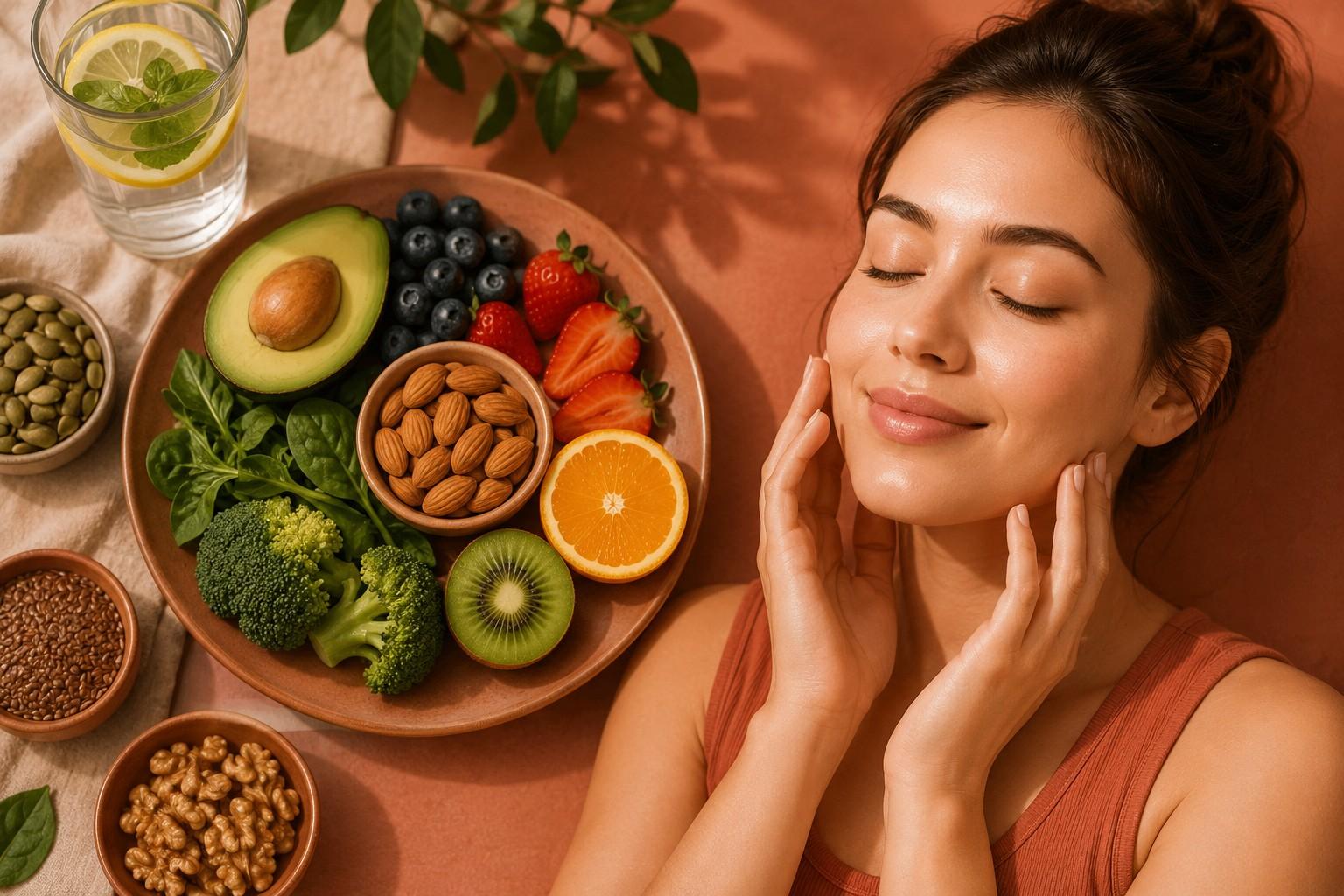
Have you ever noticed how your skin looks dull after a weekend of junk food, or how it seems to glow after a few days of eating clean? That’s not a coincidence. Diet affects skin health far more than most people realize. You can apply the most expensive serum on the market, but if your daily meals are loaded with processed foods, refined sugar, unhealthy fats, and nutrient-poor snacks, your skin will struggle to look and feel its best.
Your skin is the largest organ in your body, and just like your heart, brain, or muscles, it relies on proper nutrition to function efficiently. Every day, your body produces millions of new skin cells, repairs damage caused by sunlight and pollution, fights harmful bacteria, maintains hydration, and builds collagen—the protein responsible for keeping your skin firm, smooth, and youthful. All of these natural processes depend on the vitamins, minerals, healthy fats, protein, antioxidants, and water you consume.
When your diet lacks these essential nutrients, your skin is often one of the first places where the effects become visible. You may experience acne breakouts, excessive oiliness, dryness, flaky patches, pigmentation, dullness, slow wound healing, increased sensitivity, or even premature fine lines. On the other hand, a balanced diet rich in whole foods helps strengthen your skin barrier, reduce inflammation, improve hydration, support collagen production, and protect your skin from everyday environmental damage.
Why Diet Matters More Than Most People Realise

Your skin is your body’s largest organ, and it renews itself constantly. Every 28 to 40 days, your skin replaces its outer layer with new cells. Those new cells are built entirely from the nutrients circulating in your bloodstream — collagen needs vitamin C and protein, cell membranes need healthy fats, and wound repair needs zinc. If any of these building blocks are missing or in short supply, your skin has no choice but to produce lower-quality cells. That’s the real reason a poor diet shows up as dullness, breakouts, or slow-healing skin.
There’s also a hormonal angle most people miss. Foods that spike your blood sugar quickly — white rice, maida, sweets, sugary drinks — cause a sharp rise in insulin. Insulin triggers other hormones (like IGF-1 and androgens) that increase oil production in your skin. This is a major, well-documented reason high-sugar diets are linked to acne, and it’s separate from the “junk food is unhealthy” argument most blogs make.
The Gut-Skin Connection: What’s Actually Happening
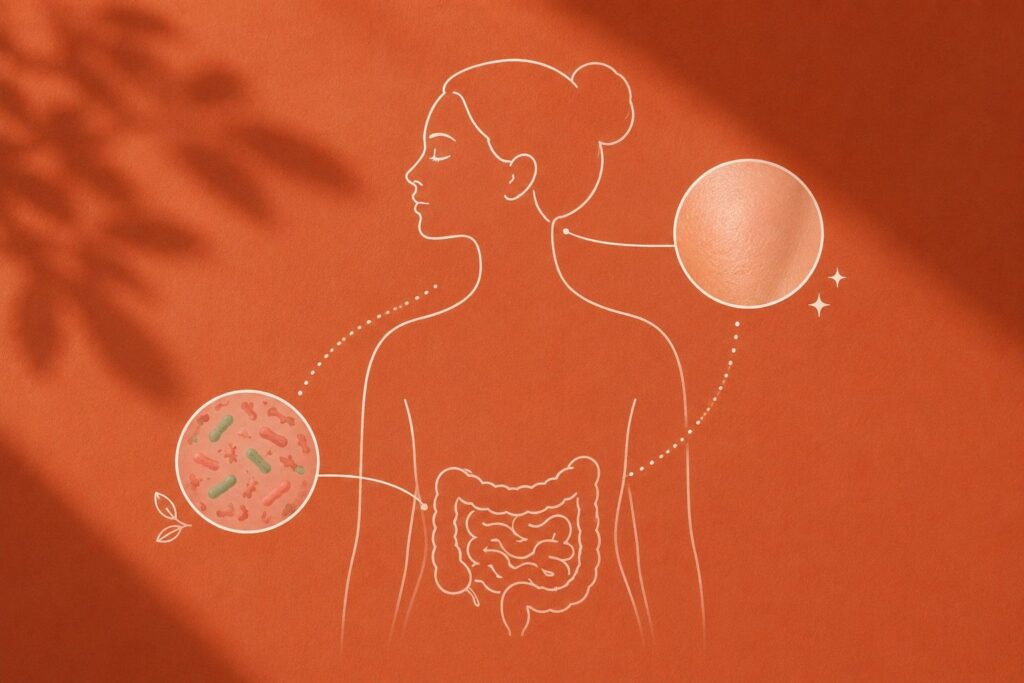
You’ve probably heard the phrase “gut-skin axis.” Here’s what it actually means in practical terms: your gut houses trillions of bacteria that regulate inflammation throughout your entire body, including your skin. A diet high in fibre, fermented foods, and plant diversity feeds “good” bacteria that keep inflammation low. A diet high in sugar, alcohol, and processed food feeds bacteria linked to higher inflammation.
This matters because conditions like acne, eczema, and rosacea are all inflammatory in nature. Studies on probiotic supplementation and high-fibre diets have shown measurable improvements in acne severity within 8-12 weeks — not because probiotics “cure” acne, but because a calmer gut means a calmer, less reactive skin barrier.
Nutrients That Directly Build Better Skin
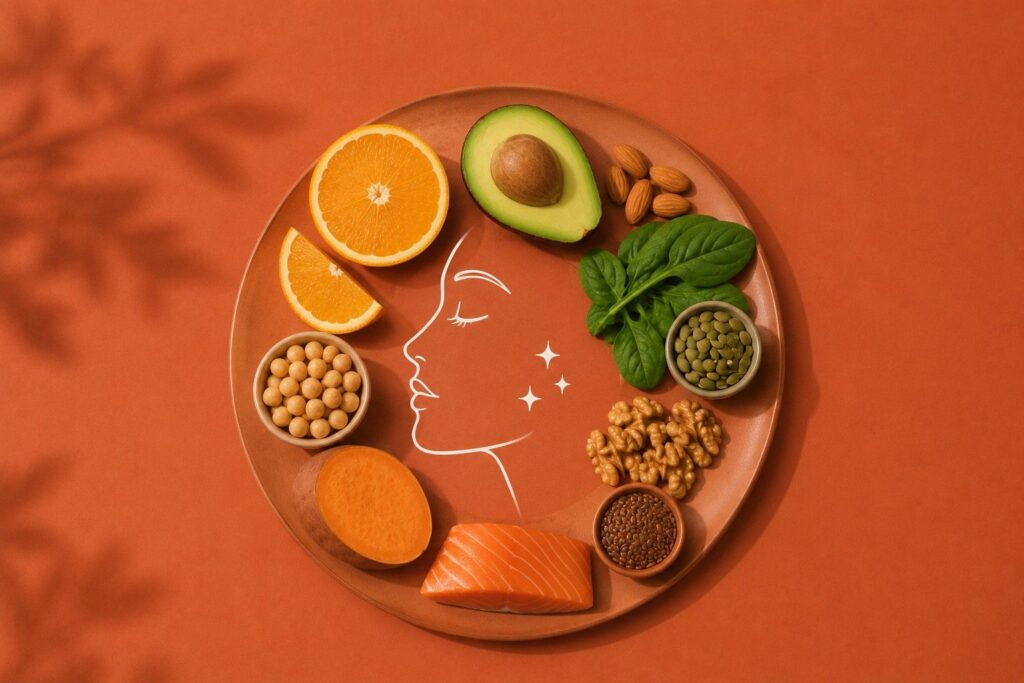
Essential Nutrients That Build Healthy Skin from Within
Healthy skin isn’t created by one “superfood” or supplement—it’s the result of many nutrients working together. Every day, your body repairs damaged skin cells, produces collagen, maintains hydration, controls inflammation, and protects against environmental stress. Each of these processes depends on specific vitamins, minerals, healthy fats, and proteins.
Here’s how the most important skin-supporting nutrients actually work.
Vitamin C – The Collagen Builder
Vitamin C is one of the most important nutrients for healthy skin because it plays a central role in collagen production. Collagen is the structural protein that keeps your skin firm, smooth, and resilient. Without enough vitamin C, your body cannot properly form or stabilize collagen fibers, regardless of whether you consume collagen supplements.
Vitamin C is also a powerful antioxidant that helps neutralize free radicals generated by UV rays, pollution, and cigarette smoke. This reduces oxidative stress, supports wound healing, and may help improve the appearance of post-inflammatory marks over time.
Signs you may not be getting enough:
- Slow wound healing
- Dull or rough skin
- Easy bruising
- Bleeding gums (in severe deficiency)
Best food sources: Amla, guava, oranges, lemons, kiwi, strawberries, bell peppers, broccoli, and tomatoes.
Zinc – The Skin Repair Mineral
Zinc supports multiple skin functions, including wound healing, immune defense, collagen formation, and regulation of sebaceous (oil) gland activity. It also helps reduce excessive inflammation, making it particularly important for people with acne-prone skin.
Research has found that some individuals with persistent acne have lower zinc levels than those with clear skin. While zinc isn’t a cure for acne, maintaining adequate intake supports normal skin healing and may reduce the severity of inflammatory lesions in some people.
Signs of low zinc intake may include:
- Slow healing of cuts and pimples
- Frequent skin infections
- Persistent acne
- Brittle nails
Best food sources: Pumpkin seeds, chickpeas, lentils, cashews, sesame seeds, eggs, seafood, and lean meat.
Omega-3 Fatty Acids – The Anti-Inflammatory Healthy Fat
Omega-3 fatty acids are essential fats that help calm inflammation throughout the body. Since inflammation plays a major role in acne, eczema, psoriasis, and skin redness, omega-3s can help support healthier skin over time.
These healthy fats are also an important part of the skin’s natural lipid barrier. A strong skin barrier prevents excessive water loss, keeping the skin soft, hydrated, and more resistant to irritation and environmental damage.
People who consume too few healthy fats often experience dry, flaky, or sensitive skin.
Best food sources: Fatty fish (such as salmon, sardines, and mackerel), walnuts, flaxseeds, chia seeds, and soybeans.
Vitamin A – The Cell Renewal Nutrient
Your skin continuously sheds old cells and replaces them with new ones. Vitamin A helps regulate this natural cell turnover process, preventing the buildup of dead skin cells that can clog pores and contribute to acne.
Vitamin A also supports healthy skin barrier function and encourages normal skin repair. This is one reason why prescription retinoids—derived from vitamin A—are widely used by dermatologists to treat acne, pigmentation, and signs of aging.
Getting vitamin A from food provides your body with the nutrients needed to support these natural processes safely.
Signs of low vitamin A intake may include:
- Dry, rough skin
- Poor wound healing
- Increased skin sensitivity
Best food sources: Sweet potatoes, carrots, spinach, kale, pumpkin, mangoes, eggs, and dairy products.
Selenium – The Cellular Protector
Selenium is a trace mineral that works alongside antioxidant enzymes to protect skin cells from oxidative stress caused by ultraviolet (UV) radiation, pollution, and other environmental factors.
Although your body only requires small amounts, selenium plays an important role in maintaining healthy skin cells and supporting the skin’s natural defense systems. This is especially relevant for people living in urban areas where pollution levels are high and oxidative damage is more common.
Best food sources: Brazil nuts (consume in moderation), whole grains, sunflower seeds, eggs, fish, and mushrooms.
Protein – The Foundation of Healthy Skin
Protein is often overlooked in skincare discussions, yet it’s one of the most important nutrients for maintaining healthy skin. Collagen, elastin, and keratin—the proteins that provide structure, strength, and elasticity to your skin—are all made from amino acids obtained through dietary protein.
Without enough protein, your body prioritizes essential organs over skin repair. As a result, your skin may heal more slowly, appear thinner, or lose firmness over time.
Best food sources: Eggs, chicken, fish, paneer, tofu, lentils, beans, yogurt, and soy products.
Healthy Skin Needs Balance, Not Just One Nutrient
No single vitamin or supplement can transform your skin overnight. Healthy, glowing skin is the result of a balanced diet that provides adequate protein, healthy fats, vitamins, minerals, antioxidants, and enough water every day. When these nutrients work together, they support collagen production, strengthen the skin barrier, reduce inflammation, improve hydration, and help your skin repair itself naturally from within.
Read this: Best Skin Care Tips and Routine for Glowing & Healthy Skin
Foods That Work Against Your Skin

Foods That Can Negatively Affect Your Skin
No single food will instantly cause acne or ruin your complexion. However, a diet that regularly includes highly processed, sugary, and nutrient-poor foods can increase inflammation, disrupt hormone balance, weaken the skin barrier, and speed up visible signs of aging. Understanding why these foods affect your skin can help you make smarter choices without feeling like you have to eliminate them completely.
1. High-Glycemic Foods
Foods with a high glycemic index—such as white bread, white rice, sugary cereals, pastries, cakes, candy, and sweetened beverages—are quickly broken down into glucose, causing a rapid rise in blood sugar levels. In response, your body releases more insulin.
High insulin levels increase the production of insulin-like growth factor-1 (IGF-1), a hormone that stimulates the sebaceous (oil) glands to produce more sebum. At the same time, it encourages faster growth of skin cells inside hair follicles. The combination of excess oil and dead skin cells can clog pores, creating an ideal environment for acne-causing bacteria.
This is why people with acne-prone skin often notice more frequent breakouts when they regularly consume foods high in refined carbohydrates and added sugars.
Healthier alternatives: Whole grains, oats, brown rice, quinoa, fruits, legumes, and vegetables provide steady energy without causing dramatic blood sugar spikes.
2. Fried Foods and Trans Fats
Deep-fried fast foods, packaged snacks, bakery products made with partially hydrogenated oils, and foods cooked repeatedly in reused oil may contribute to increased oxidative stress in the body.
Oxidative stress occurs when harmful molecules called free radicals outnumber the body’s natural antioxidants. These free radicals damage collagen and elastin—the proteins responsible for keeping skin firm, smooth, and resilient. Over time, this damage can contribute to premature wrinkles, loss of elasticity, uneven skin texture, and a dull complexion.
While eating fried food occasionally is unlikely to cause noticeable skin damage, making it a regular part of your diet may increase inflammation and reduce your skin’s ability to repair itself efficiently.
3. Dairy Products (For Some Individuals)
Milk and dairy products do not affect everyone’s skin in the same way. However, research suggests that some individuals—particularly those prone to acne—may experience more breakouts after consuming certain dairy products, especially skim milk.
One possible reason is that milk naturally contains hormones and compounds that can influence insulin and IGF-1 levels. In susceptible individuals, these hormonal changes may increase oil production and promote clogged pores.
If you frequently develop pimples around your jawline, chin, or cheeks and suspect dairy may be a trigger, consider keeping a food and skin diary. Eliminating dairy unnecessarily isn’t recommended, but tracking your symptoms for two to four weeks can help you identify whether there’s a consistent connection.
4. Foods High in Sodium
Many packaged foods—including chips, instant noodles, processed meats, canned soups, ready-to-eat meals, pickles, and salty snacks—contain excessive amounts of sodium.
Too much sodium causes the body to retain water, which can make your face appear puffy, particularly around the eyes. This temporary swelling can reduce facial definition and make tiredness more noticeable, especially after a salty dinner or late-night snack.
Although sodium doesn’t directly cause acne or wrinkles, consistently consuming excessive amounts may contribute to dehydration if your water intake is inadequate, leaving the skin looking less fresh and radiant.
5. Alcohol
Alcohol affects the skin in several ways. It acts as a diuretic, increasing fluid loss and making dehydration more likely. Dehydrated skin often appears dull, rough, and less elastic, while fine lines may become more noticeable.
Alcohol can also interfere with restful sleep, increase inflammation, and temporarily dilate blood vessels, leading to facial redness in some people. Heavy or frequent drinking may also reduce the body’s ability to utilize nutrients that are important for healthy skin, including antioxidants and certain vitamins involved in skin repair.
This is why many people notice their skin looking tired, dry, or puffy the morning after drinking alcohol.
The Key Takeaway
Healthy skin isn’t about completely avoiding sugar, dairy, fried foods, or your favorite treats. What matters most is your overall eating pattern. A diet based primarily on whole grains, vegetables, fruits, lean proteins, healthy fats, and plenty of water gives your skin the nutrients it needs to repair itself, maintain a strong skin barrier, and protect against inflammation and premature aging. Enjoy less nutritious foods occasionally, but aim for balance rather than perfection.
A Realistic 4-Week Approach (Not a Crash Diet)

Most diet advice fails because it asks for extreme changes overnight. Here’s a gradual approach instead:
Week 1: Replace one sugary drink a day with water or coconut water. Add one serving of nuts or seeds daily.
Week 2: Add a source of vitamin C at breakfast (amla, orange, or lemon water) and reduce fried snacks to twice a week instead of daily.
Week 3: Introduce a probiotic food like curd or buttermilk daily, and increase vegetable intake at lunch and dinner.
Week 4: Track how your skin feels — oil levels, breakouts, dullness — and identify which specific food group made the biggest visible difference for you personally, since everyone’s triggers are different.
This method works better than sudden diet overhauls because it’s sustainable, and sustainability is what actually produces long-term skin improvement rather than short-term results that reverse once you go back to old habits.
Read this: Natural Skincare Routine for Healthy & Glowing Skin
Frequently Asked Questions
Q1. Can diet alone clear acne without skincare products?
Diet can significantly reduce inflammation and hormonal triggers behind acne, but it usually works best alongside a basic skincare routine (cleansing, non-comedogenic moisturiser, and treatment ingredients like salicylic acid). Severe or cystic acne often needs a dermatologist’s input in addition to dietary changes.
Q2. How long before diet changes show up on skin?
Since skin cells take roughly 28 to 40 days to fully renew, most people need at least 4 to 8 weeks of consistent dietary changes before seeing noticeable improvement. Hydration-related changes (less puffiness, better texture) can appear within days, but structural changes like reduced acne or fewer fine lines take longer.
Q3. Does drinking more water actually improve skin glow?
Water supports overall hydration and helps flush toxins, but it doesn’t directly “hydrate” skin from the inside the way a topical moisturiser does. That said, chronic dehydration does make skin look duller and accentuates fine lines, so adequate water intake is still an important supporting factor, not a magic fix on its own.
Q4. Is dairy really bad for skin, or is that a myth?
It’s not a universal rule — some people can consume dairy with zero effect on their skin, while others notice clear breakouts, particularly along the jawline and chin. The best approach is a personal elimination test: remove dairy for 3 weeks, reintroduce it, and observe any changes.
Q5. Can eating too healthy still cause skin problems?
Yes. Extremely low-fat diets can weaken your skin barrier since your body needs healthy fats to maintain it. Similarly, very restrictive diets that cut entire food groups can lead to nutrient deficiencies (like zinc or vitamin A) that show up as dry, flaky, or slow-healing skin.
Q6. What’s more important for skin — diet or skincare products?
They work together rather than competing. Diet influences skin from the inside (collagen production, inflammation, oil regulation), while skincare products work on the surface (hydration, exfoliation, protection from UV and pollution). Relying on only one while ignoring the other usually gives incomplete results.
Final Thoughts
Skincare isn’t just about what you apply — it’s equally about what you consume, because your skin is literally rebuilding itself from the nutrients in your bloodstream every few weeks. The good news is that improving your skin through diet doesn’t require an extreme overhaul. Small, targeted changes — enough vitamin C, adequate zinc and omega-3s, lower sugar spikes, and a happier gut — compound into visibly healthier skin over 4 to 8 weeks.
Start with one or two changes from this blog, stay consistent, and give your skin the time it biologically needs to show the results.

 Admin
Admin