 Admin
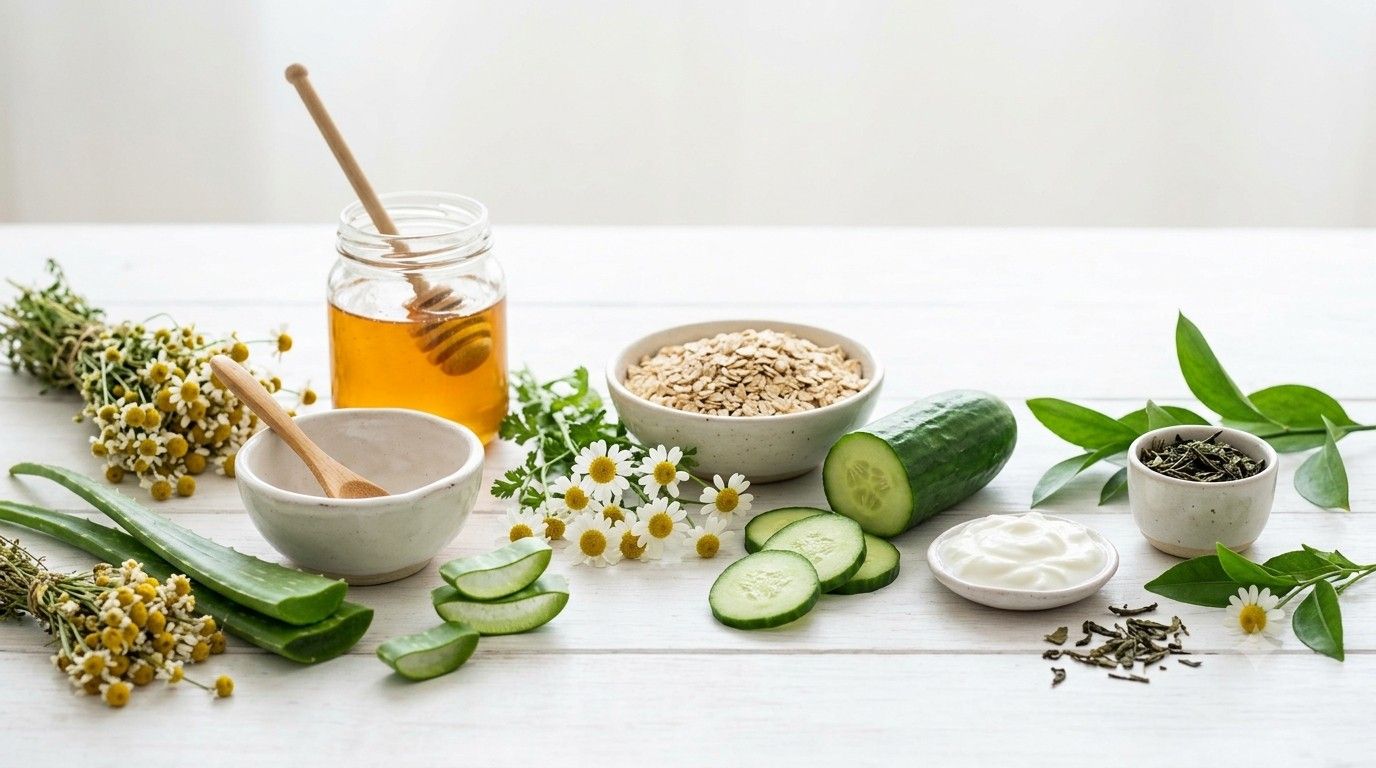
Admin If your pores and skin feel red, itchy, or tight the moment you try a new product, you’re not on your own. Sensitive skin can feel unpredictable, and it often seems like a guess to find a place that soothes something as opposed to making it worse. That’s where home remedies for sensitive pores and skin are available. Many of the natural ingredients sitting in your kitchen right now can soothe irritation, aid in hydration, and help repair your skin barrier with harsh chemical products.
This booklet goes over what touchy skin must be, what triggers it, and ten gentle treatments you can try at home. We will also cover what to avoid and it is time to call a dermatologist instead of reaching out for some other home restoration
Table of Contents
- What Is Sensitive Skin?
- Common Signs of Sensitive Skin
- Common Causes of Sensitive Skin
- Why Gentle Home Remedies Can Help
- Top 10 Home Remedies for Sensitive Skin
- 1. Aloe Vera Gel
- 2. Oatmeal
- 3. Honey
- 4. Coconut Oil
- 5. Cucumber
- 6. Green Tea Compress
- 7. Chamomile
- 8. Plain Yogurt
- 9. Cold Compress
- 10. Colloidal Oat Bath
- Ingredients to Avoid
- Daily Skincare Routine for Sensitive Skin
- Lifestyle Tips
- When to See a Dermatologist
- Frequently Asked Questions
- Conclusion
What Is Sensitive Skin?

Sensitive pores and skin are not automatically a scientific diagnosis. It’s a time used to describe skin that reacts more than normal to products, climate, or friction without problems. People with sensitive pores and skin are regularly aware of stinging, burning or redness after using skin care products which do not bother most people.
This high reactivity generally indicates a poor pore and skin barrier. Your pores and skin barrier are the outermost layer that locks in moisture and blocks irritants. When it is compromised, irritants penetrate more without problems, and moisture escapes faster, leaving skin dry, tight, and reactive.
Common Signs of Sensitive Skin
Sensitive skin shows up differently for everyone, but a few signs tend to overlap:

The redness that appears after washing your face or applying products
Itchy pores and skin, mainly after solar exposure or sweating stinging or burning with a few creams or cleanses
Dry, flaky patches that feel tight Small bumps or burns precipitated by perfume or cloth If those signs and symptoms are frequent, your pores and skin are probably telling you that it needs a gentler routine.
Read this: 5 Homemade face packs for glowing skin in summer
Common Causes of Sensitive Skin
Several factors can trigger or worsen sensitivity:

- Harsh skin care items with alcohol, sulfates, or synthetic fragrances
- Extremes of weather, such as dry winter winds or intense summer heat
- Over-ejaculation, which breaks down the skin barrier allergies to unique components or tactile dermatitis
- Underlying conditions such as eczema, rosacea, psoriasis Stress and terrible sleep, which can amplify inflammation
Identifying your personal trigger is often the first step toward calmer skin.
Why Gentle Home Remedies Can Help

Natural remedies for sensitive pores and skin tend to work well because they are simple. Fewer ingredients indicate lower chances of infection. Many kitchen staples additionally have compounds with a soothing, hydrating, or anti-inflammatory home, which are granted through long-term use and a few medical aids
That said, natural by itself does not indicate safe for everyone. Sensitive pores as well as domestic care however call for caution, patch check outs, and realistic expectations.
Top 10 Home Remedies for Sensitive Skin
1. Aloe Vera Gel

Aloe Vera is one of the most reliable options for sensitive pores and skin, and for good reason. It contains compounds that help soothe irritated pores and skin and aid in hydration. How to apply: Immediately apply the natural aloe vera gel onto accessible skin. Leave on for 15–20 mins, then rinse off, or go away for a day for extra hydration.
Who should keep away from it – Anyone who is allergic to flowers in the kinship lily circle should pass on aloe vera.
Safety Tip: Choose 100% pure aloe vera over infused alcohol or perfume.
2. Oatmeal
For sensitive skin, drihi has been used for generations to prevent itchy skin and redness. Colloidal oatmeal, in particular, creates an armor film on the skin that helps retain moisture. How to use it: Grind ordinary oats into first grade powder and mix with water to make a paste, or add to bath water.
Who should stay away from it: People with an allergic reaction to oats should not use this remedy.
Safety tip: Always use unflavored, unprocessed oats, no more instant oatmeal packets with added sugar or flavoring.
Read this: Homemade Face Cleanser for Daily Use and Glowing Skin
3. Honey
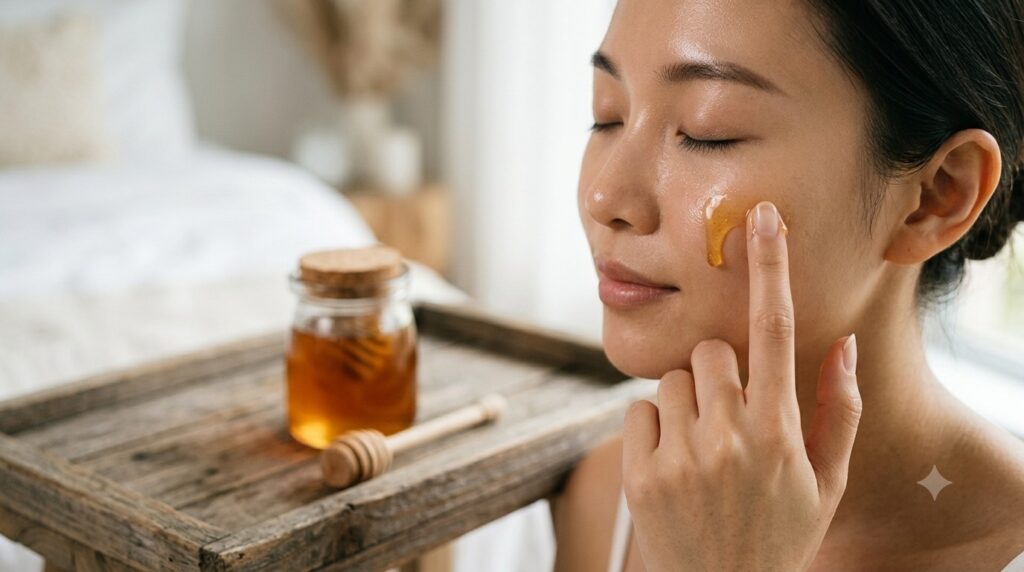
For sensitive skin, the honey herb acts as a moisturizer, which means it draws moisture into the pores and skin. Raw honey additionally has mild antibacterial properties.
How to apply: Apply a thin layer of raw honey to oily skin for 10-15 minutes before rinsing with lukewarm water.
Who to avoid: Those who are allergic to pollen or bee products must be clean.
Safety Tip: Use raw, unprocessed honey instead of the overly fine variety.
4. Coconut Oil
For touchy skin, coconut oil can help lock in moisture thanks to its fatty acid content. It does a high quality job as a blocking layer over already hydrated skin.
How to use it: After washing, apply a small amount to damp pores and skin.
Some to avoid: People prone to pimples or clogged pores also find coconut oil too heavy.
Safety tip: Use virgin, unrefined coconut oil and patch check first, when you think it might trigger breakouts in certain skin types.
5. Cucumber

Cucumber has a very high water content and houses mild anti-inflammatory, making it especially useful for soothing puffy or irritated skin around the eyes.
How to apply: Place cooled cucumber slices directly on the affected regions for 10 mins.
Who needs it away from it: Generally safe, but if something bites, disconnect.
Safety Tip: Refrigerate before use for a cucumber-induced cooling effect.
6. Green Tea Compress
Green tea contains antioxidants that can help reduce redness and soothe irritated skin.
How to use it: Dagger an inexperienced tea bag, let it cool completely, then press lightly on the irritated areas for 5–10 mins.
Who to avoid: Those sensitive to caffeine absorption through pores and skin tend to choose caffeine-free tea over them.
Safety Tip: Never use a hot compress, as the heat can aggravate the redness.
7. Chamomile

Chamomile is known for its calming effect, every when cherished and implemented topically. It can help ease itchy pores and skin as well as reduce visible inflammation.
How to apply: Let chamomile tea brew and cool then apply as a compressor with a soft cloth.
Who to avoid: People allergic to ragweed or daisies can also react to chamomile.
Safety tip: Always absolutely pre-cool the tea rather than using it in your mouth.
Read this: Homemade face pack for dry skin
8. Plain Yogurt
For sensitive skin, plain yogurt provides a mild dose of lactic acid, alongside cooling and soothing hydration.
How to use it: Apply simple, unsweetened yogurt to easy skin for 10 mins, then rinse with cold water.
Who needs it away from it: People with dairy allergies should stop this treatment.
Safety tip: Choose full-fat, unflavored yogurt without the added sugar or fruit.
9. Cold Compress
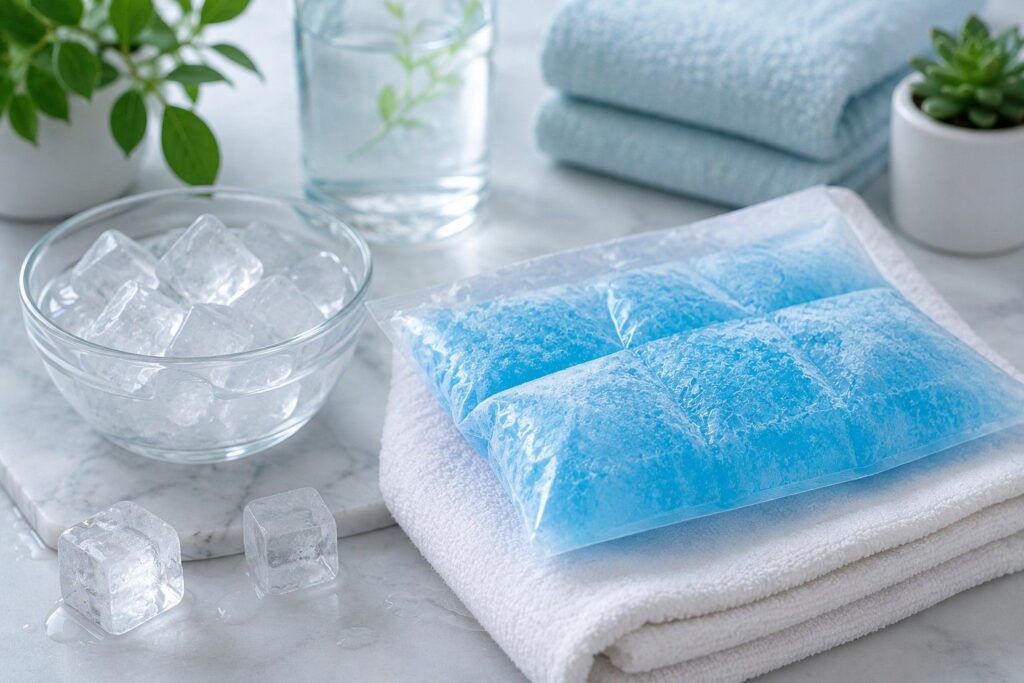
A bloodless compressor is the easiest way to quickly soothe irritated skin. Cold temperatures cause blood vessels to constrict, which can reduce redness and swelling almost immediately.
How to use it: Wrap ice or gently % in an oily cloth and place it on the irritated skin for five–10 min.
Who should stay away from it: Those with cold-induced conditions such as colds and urticaria should stay away from direct non-blood contact.
Safety Tip: Never follow ice to bare skin without delay, as it may aim to freeze.
10. Colloidal Oat Bath
For inflammation that covers a larger area of the body, a colloidal oat tub can provide full-body relief and support skin hydration.
How to use it: Add colloidal oatmeal powder to lukewarm bath water and soak for 15-20 minutes.
Which to avoid: Skip this when you have an oat allergy.
Safety Tip: Avoid hot water, which can break down herbal oils and make dryness worse.
Ingredients to Avoid

If you’re managing sensitive skin, steer clear of:
synthetic fragrances and dyes
alcohol-based toner
SLS and other sulfates in cleaners
Harsh physical exfoliants
Essential oils used in excessive concentrations
Products with an extended list of unfamiliar chemical additives
Choosing fragrance-free skincare is one of the easiest methods to reduce day-to-day irritation.
Daily Skincare Routine for Sensitive Skin
A simple, consistent routine matters more than expensive products. Try this structure:
- Clean the slow water application with a perfume-free, sulfate-free cleaner.
- Moisturize at once after washing to tie in hydration.
- Apply sunscreen daily, choose a mineral method with zinc oxide or titanium dioxide.
- Limit energy drinks like retinol or acids to three times per week, if at all.
- Patch check any new products on your inner arms for forty-eight hours before applying to the face.
Lifestyle Tips

Skin sensitivity isn’t only about what you put on your face. A few daily habits can make a real difference:
- Use humidifiers in dry indoor environments.
- Avoid very hot rain
- Choose a smooth, breathable fabric like cotton
- Manage stress through sleep and rest
- Stay hydrated at some stage of the day
Read this: How Diet Affects Skin Health
When to See a Dermatologist
Home remedies can help with mild, occasional irritation, but they aren’t a substitute for professional care. See a dermatologist if:
- Redness, swelling, or itching persists for more than a few days
- Symptoms worsen despite gentle care
- You notice blistering, oozing, or signs of infection
- Sensitivity is affecting your daily comfort or sleep
A dermatologist can identify underlying conditions like eczema or rosacea and recommend treatment suited to your skin.
Conclusion
Caring for sensitive skin doesn’t have to mean expensive products or complicated routines. Simple home remedies for sensitive skin, like aloe vera, oatmeal, and cold compresses, can ease redness, itchy skin, and irritation when used correctly and consistently. Still, everyone’s skin responds differently, and what works well for one person may not work for another.
Patch testing, choosing fragrance-free skincare, and paying attention to your skin’s reactions will always serve you better than guesswork. If irritation persists or worsens despite your best efforts, don’t hesitate to consult a dermatologist. Sometimes, professional guidance is the safest and most effective path to healthier, calmer skin.
Read this: Best Skin Care Routine for Sensitive Skin
Frequently Asked Questions
1. Can home remedies completely cure sensitive skin?
Ans: No. Home remedies may soothe symptoms and support skin comfort, but they cannot cure underlying skin conditions. Results vary from person to person.
2. How long does it take to see results from natural remedies?
Ans: Mild improvement may appear within a few days, but consistent use over several weeks often works better than expecting instant results.
3. Is it safe to combine multiple home remedies at once?
Ans: It’s best to introduce one remedy at a time. Combining several new ingredients makes it harder to identify what’s causing irritation if a reaction occurs.
4. Why does my sensitive skin react to natural ingredients too?
Ans: Natural ingredients can still contain allergens or active compounds that trigger reactions. Sensitive skin can react to anything, natural or synthetic, depending on individual triggers.
5. Should I patch test before trying any new remedy?
Ans: Yes. Apply a small amount to your inner forearm and wait 24–48 hours before using it on your face, especially with honey, aloe vera, or essential oil-based products.
6. Can diet affect sensitive skin?
Ans: Diet can play a supporting role. Staying hydrated and eating anti-inflammatory foods may help some people, though it isn’t a guaranteed fix for everyone.
Read this trusted resource for additional home remedies and skin care advice.

 Admin
Admin